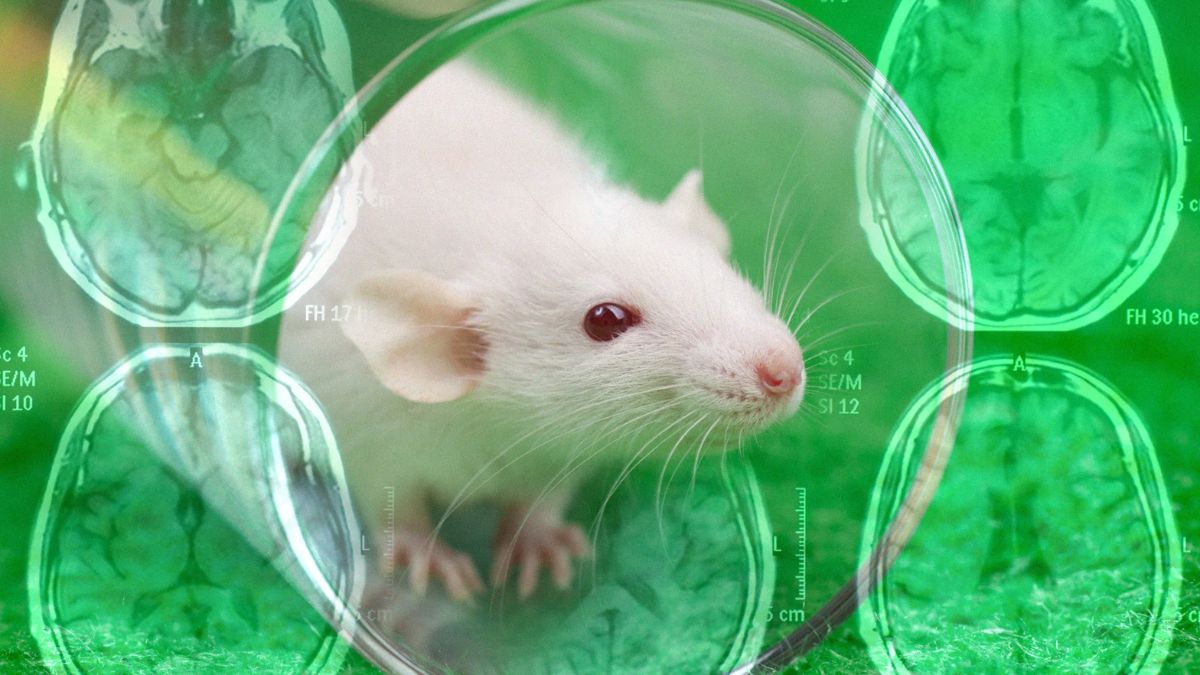
There’s not much in the daily news that makes you stop and think “maybe we’re getting somewhere”—but this one might just do it. A team of researchers from the Institute of Bioengineering of Catalonia (IBEC) and West China Hospital has achieved what sounds like science fiction: reversing Alzheimer’s symptoms in mice. Not slowing them down—reversing them. In just one hour.
It’s a game-changer. And while the tests are still limited to animal models, the implications are massive for future treatment in humans.
Table of Contents
Breakthrough

The discovery is the result of a collaborative effort between Spanish and Chinese scientists. Instead of using conventional methods like antibody therapies or neuron-targeted drugs, they combined nanotechnology with supramolecular drugs. This approach didn’t just manage the disease—it activated healing systems that had already shut down, essentially rebooting parts of the brain affected by Alzheimer’s.
Here’s the jaw-dropper: within one hour of administering the treatment, beta amyloid proteins—one of the main culprits in Alzheimer’s—were reduced by up to 60%.
Yes, 60%. In one hour.
Barrier
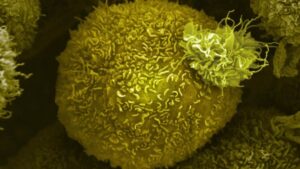
The innovation lies in where the treatment focuses. Rather than targeting neurons directly, the team looked at the blood-brain barrier, a filtering system that protects the brain but also regulates its internal cleaning process. When this barrier starts to fail, the brain can’t clear waste proteins like beta amyloid. These proteins build up, forming plaques that slowly shut down cognitive functions.
By targeting and repairing this cleaning system, the treatment helps the brain clean itself.
Nanoparticles
The treatment uses bioactive nanoparticles that activate the brain’s natural waste disposal system. These were tested on mice genetically engineered to overproduce beta amyloid. After treatment, the mice’s brains flushed the toxic proteins into the bloodstream, where the body then eliminated them.

But the effect wasn’t just chemical—it was functional. The mice improved in cognitive tasks too, suggesting real, lasting impact.
System
What’s even more fascinating is that these nanoparticles don’t just do the cleaning for the brain—they reactivate its natural cleaning system. Think of it like fixing a broken washing machine instead of just scrubbing your clothes by hand. Once fixed, it keeps working on its own.
Giuseppe Battaglia, one of the lead scientists, noted that this is the first time a treatment has restored the brain’s ability to do this itself. Current Alzheimer’s medications mostly slow symptoms temporarily. This treatment may have the power to repair and restore.
Support
While the Spanish-Chinese team worked on the brain-cleansing method, another group in Brazil explored a different angle—developing molecules that regulate copper levels in the brain. Excess copper is known to help form harmful plaques.
Their standout molecule, L10, showed strong results: low toxicity, DNA protection, and antioxidant support. It’s also more affordable than many of the cutting-edge antibody-based drugs currently on the market.
Promise
So, are we close to a cure? It’s still early. Testing on humans will take time. Scientists need to study the safety, side effects, dosage, and long-term impact. But there’s hope—and it’s real.
If you’ve ever cared for someone with Alzheimer’s, you know how painful it is to see them slowly fade away. To watch their personality and memories slip through their fingers. It’s not just a disease—it’s a kind of erasure. That’s why this discovery matters. Because for the first time, it feels like we might actually be turning the tide.
Perspective
This isn’t a miracle drug just yet, and scientists are cautious. But after decades of research, failed treatments, and heartbreaking setbacks, this kind of progress is exactly what the world needs.
It’s a reminder that even in the darkest parts of science, there are still sparks of light. And for families battling the shadow of Alzheimer’s, that light may one day become a lifeline.
FAQs
How fast did the treatment work?
It reduced beta amyloid by 60% in just one hour.
What does the treatment target?
It targets the blood-brain barrier, not neurons directly.
What are the nanoparticles used for?
They reactivate the brain’s natural waste-clearing system.
Has this been tested on humans?
No, so far it’s only been tested on mice.
What is molecule L10?
A low-toxicity compound that controls copper and reduces plaques.