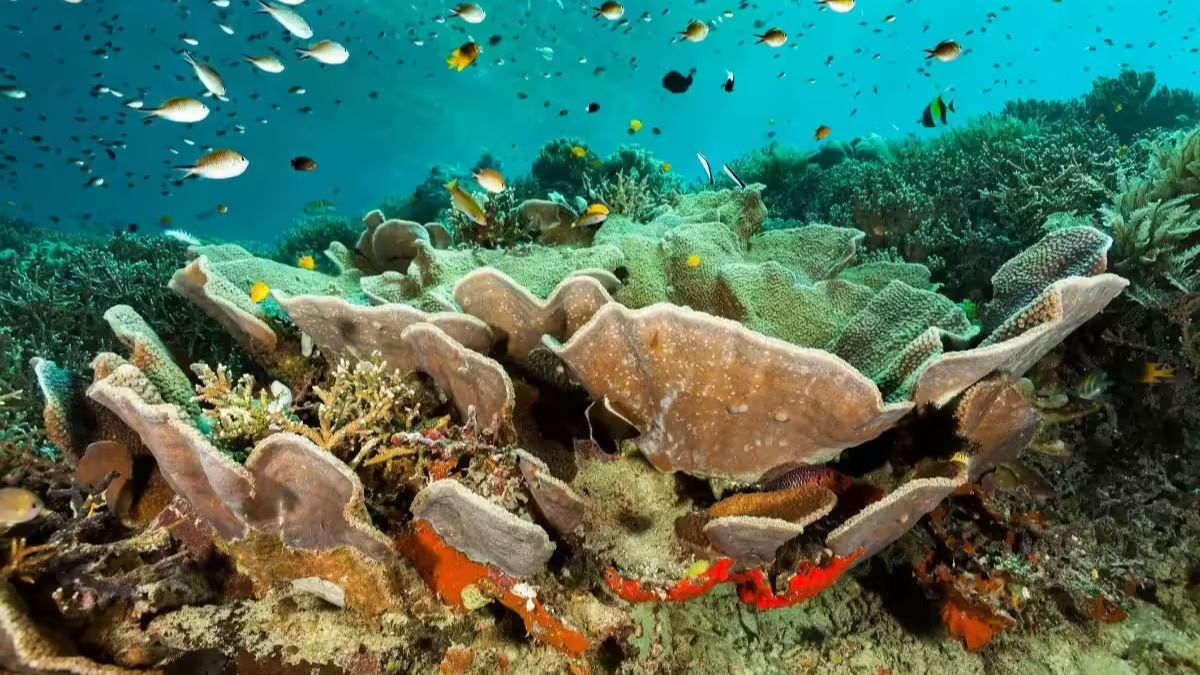
Imagine diving into an ocean where life thrives in all shapes and colors—fish darting through coral castles, sea turtles gliding by, and reefs teeming with creatures you didn’t know existed. That magical place exists, and it’s called the Coral Triangle. Nicknamed the “Amazon of the ocean,” this marine marvel is the most biodiverse underwater region on Earth.
But just like the Amazon rainforest, the Coral Triangle is in danger. Let’s look into why this place is so special, what makes it vital for life on Earth, and why it desperately needs protection.
Table of Contents
Diversity

The Coral Triangle isn’t just rich in beauty—it’s a powerhouse of life. In fact, it’s more biodiverse than the Amazon rainforest when it comes to marine species. Here’s why scientists and marine biologists are in awe of it:
- It’s home to 75% of all known coral species
- Over 3,000 species of fish swim in its waters
- Some reefs here have more marine species than all of Europe combined
Think of it as an underwater metropolis. Every coral, fish, and sea creature plays a role—like buildings, roads, and people in a bustling city. Some scientists even call it the “Classroom of the Sea” because it’s a living lab where we can learn about how marine life evolves and adapts over time.
Location
So where in the world is this underwater Eden?
The Coral Triangle spans a vast 5.7 million square kilometers across the Pacific Ocean. It stretches through six countries: Indonesia, Malaysia, Papua New Guinea, the Philippines, the Solomon Islands, and Timor-Leste. To put it in perspective, that’s about half the size of the United States.
Here’s what makes the location so unique—it sits between the Pacific and Indian Oceans. This intersection creates the perfect mix of warm waters, nutrient-rich currents, and diverse seafloor landscapes. All these factors together allow marine life to flourish.
Importance
The Coral Triangle isn’t just eye candy for divers and marine lovers—it’s crucial for life on Earth. Think of it as the heart of the ocean, pumping life and balance into marine ecosystems. Here’s how:
- Coral reefs produce oxygen, helping regulate the atmosphere
- They shield coastlines from destructive storms and erosion
- They provide food and income for over 120 million people
This area supports massive food chains, from microscopic plankton to apex predators. It’s like nature’s own food delivery service, ensuring both humans and marine species stay fed.
Threats
Unfortunately, paradise is under pressure. Human activity and climate change are threatening the Coral Triangle’s delicate balance. Let’s take a look at the major risks it faces:
| Threat | Impact Level | Recovery Time |
|---|---|---|
| Destructive fishing | Immediate | Decades |
| Climate change & coral bleaching | Severe | Centuries |
| Pollution (plastics & waste) | Moderate | Years to decades |
| Mining and oil extraction | Localized | Often permanent |
Destructive fishing methods like using dynamite or cyanide devastate coral structures that took centuries to grow. Pollution adds toxic waste to the water, choking life. And the rising ocean temperatures lead to coral bleaching—where vibrant reefs lose their color and die off, turning marine cities into ghost towns.
Protection
Now here’s the good news: we can still save the Coral Triangle. But it’s going to take effort—from governments, communities, and even individuals like you.
Here are a few ways to help protect this underwater treasure:
- Support sustainable fishing methods that don’t harm coral reefs
- Reduce plastic and chemical pollution that ends up in the ocean
- Establish marine protected areas where fishing and mining are banned
- Encourage eco-friendly tourism that respects marine life
Every small action matters. Whether it’s choosing sustainable seafood or saying no to single-use plastics, your daily choices can help keep the Coral Triangle alive and thriving.
The Coral Triangle is more than a place—it’s a natural wonder, a source of life, and a symbol of what we stand to lose if we don’t act. Preserving it is not just about saving fish or coral; it’s about protecting a system that supports millions of lives, balances the planet’s climate, and connects us all through the oceans.
Let’s not wait until it’s too late. This is one triangle we need to keep from collapsing.
FAQs
What is the Coral Triangle?
It’s the most biodiverse marine area on Earth, found in the Pacific.
Which countries are in the Coral Triangle?
Indonesia, Malaysia, Philippines, PNG, Solomon Islands, Timor-Leste.
Why is the Coral Triangle important?
It supports marine life, produces oxygen, and feeds millions.
What threatens the Coral Triangle?
Climate change, pollution, overfishing, and mining.
How can we protect it?
Sustainable fishing, reducing pollution, and marine protection zones.