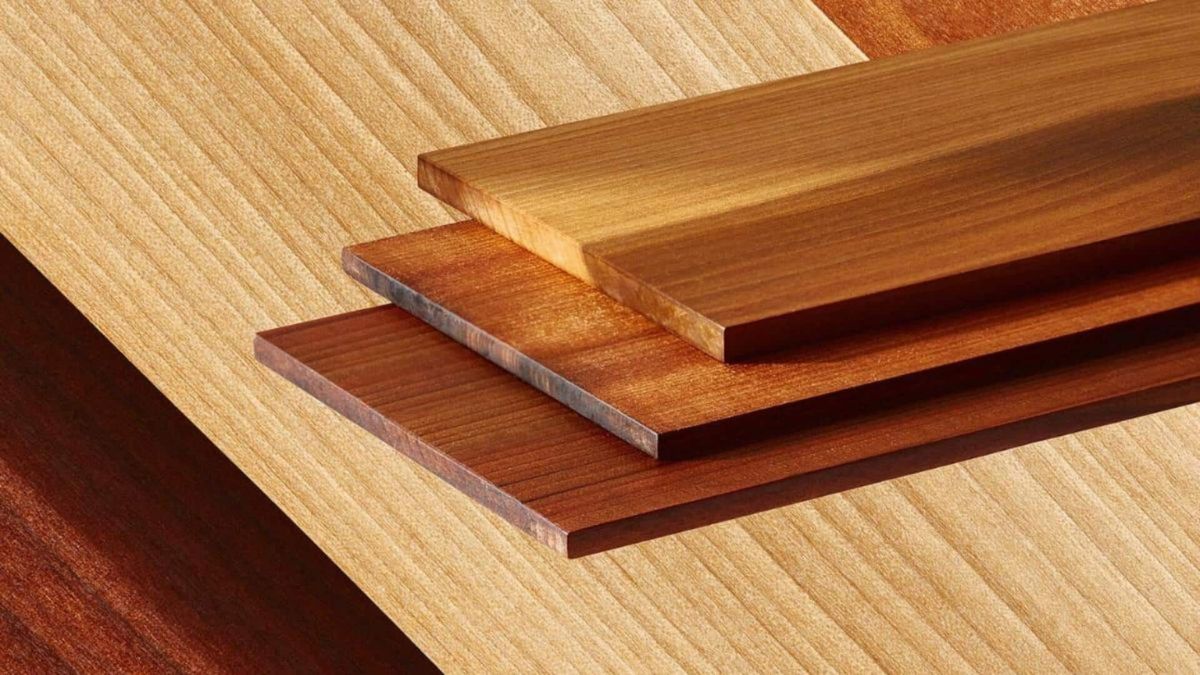
Can wood really be stronger than steel? It sounds like science fiction, but it’s not. An American company called InventWood has just introduced superwood, a revolutionary material that is 10 times stronger than steel and 6 times lighter. It’s not a metal, not a plastic, and not a synthetic creation—it’s still wood. But it’s wood like we’ve never seen before.
With this innovation, construction could be heading toward a more sustainable and safer future. Let’s cut into how superwood is made, why it’s so special, and what it means for the future of buildings.
Table of Contents
History

For thousands of years, humans have used whatever materials were available to build homes and shelters. From stones and mud to wood, bricks, steel, and concrete, construction has always evolved.
But here’s the twist—wood is making a comeback, and it’s not the wood you remember. Thanks to modern science, an age-old material is being transformed into one of the strongest building tools of the future. That’s where superwood comes in.
Structure
The secret to this material lies in its structure. Superwood was developed by a team led by Professor Liangbing Hu, a materials scientist and co-founder of InventWood. They discovered that the real strength of wood lies in its cellulose, the primary fiber in plant walls and one of the most abundant natural polymers on Earth.

In normal wood, cellulose is surrounded by lignin, a substance that gives wood its color and part of its hardness. But lignin also adds weight and makes the wood less flexible. So, the team figured out how to remove it and then strengthen the remaining cellulose fibers.
By altering the wood’s internal structure, they turned it into something incredibly strong—yet still lightweight and natural.
Process
Making superwood isn’t just a matter of cutting down a tree and pressing it. It takes a bit of chemistry, time, and high pressure. Here’s how it’s done:
| Step | Description |
|---|---|
| 1. Boiling | The wood is boiled in a mix of water and chemicals to remove lignin. |
| 2. Hot-pressing | The treated wood is pressed under intense heat and pressure. |
| 3. Compression | This compacts the wood’s cells, increasing its density and toughness. |
| 4. Final product | After around a week, it becomes ready-to-use superwood. |

The end result is a wood that not only looks different but also performs better than metals in many situations. It can resist more force and stress while staying much lighter.
Benefits
Superwood has several big advantages, especially in construction:
- Strength: It’s as tough—or tougher—than steel.
- Lightness: It’s six times lighter, making transportation and handling easier.
- Sustainability: It’s a natural, renewable resource with a lower carbon footprint.
- Durability: The densified structure makes it more resistant to wear and environmental damage.
- Safety: Its strength could make buildings safer during natural disasters like earthquakes.
Imagine buildings that are just as strong but half the weight, easier to build, and much better for the environment. That’s what superwood offers.
Future
This innovation could completely change the construction industry. From homes to bridges to skyscrapers, superwood could replace traditional materials like steel, concrete, or plastic-based composites.
And it’s not just about construction. Other industries—from furniture to transportation—might soon be using superwood for lightweight, durable parts and products.
What’s most exciting is how this blends science and sustainability. It shows that with the right innovation, we can improve human life while still respecting the environment.
Superwood is more than just a cool invention—it’s a step toward a smarter, greener future. And all of it started by taking a fresh look at one of the oldest materials on Earth.
FAQs
What is superwood?
It’s a high-strength wood made by compressing treated cellulose fibers.
Is superwood really stronger than steel?
Yes, it’s up to 10 times stronger and also much lighter.
How is superwood made?
Wood is boiled, treated, and hot-pressed to increase density and strength.
Who created superwood?
InventWood, co-founded by scientist Liangbing Hu.
Can superwood replace traditional materials?
Yes, it may replace steel and concrete in future buildings.