What if I told you the most expensive coffee in the world is made from animal poop? Sounds bizarre, right? But it’s 100% true. This luxurious drink, called civet coffee or kopi luwak, comes from the droppings of a small wild animal known as the Asian palm civet. Now, thanks to science, we finally know why this coffee is so special—and so pricey.
Researchers from the Central University of Kerala, India, decided to study what actually happens to coffee beans after they pass through the civet’s digestive system. Spoiler alert: it’s not just a weird story, it’s actual chemistry in action.
Table of Contents
Civet

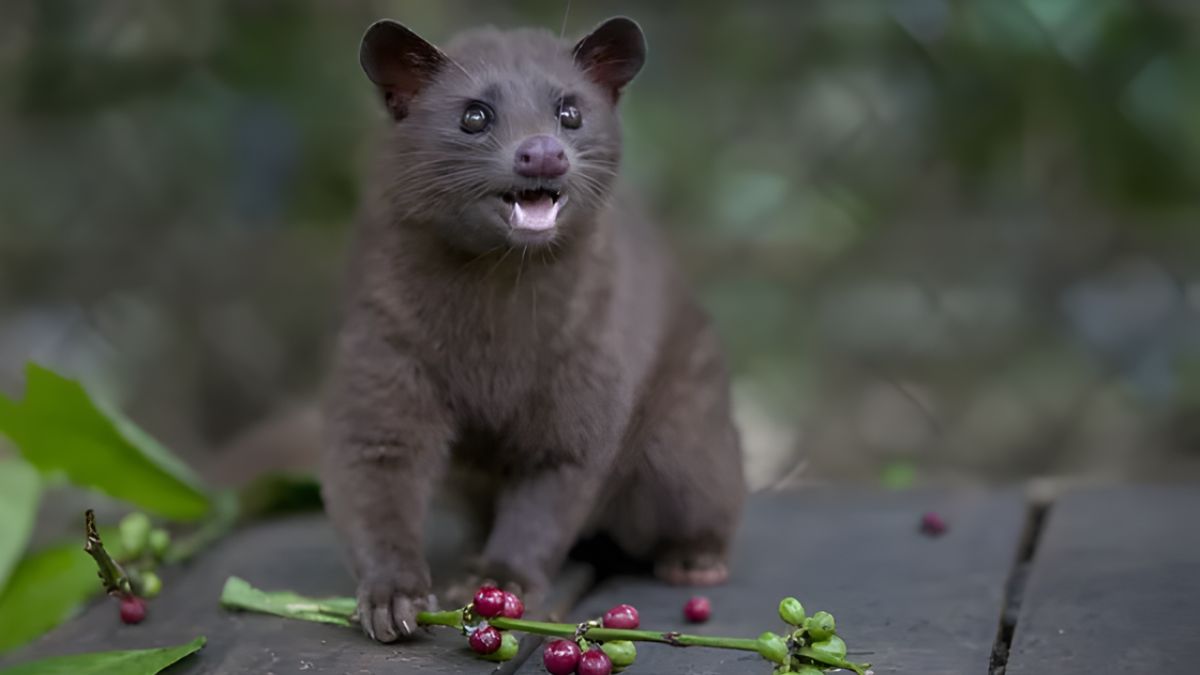
Let’s get to know the animal behind the brew. The Asian palm civet is a cat-sized mammal that lives in parts of southern Asia. It looks like a strange blend of a cat and a raccoon and has a habit of eating ripe red coffee cherries straight from the plant.
When it eats those cherries, the civet digests only the fruity outer layer. The inner bean—the part we actually use to make coffee—passes through its digestive system pretty much intact. Later, the civet does its business, and those beans come out in its poop. Gross? Maybe. But that’s where the magic starts.
People then collect those beans, wash them thoroughly (thank goodness), dry them, roast them, and finally brew them into coffee. This method has been around for over a century, and ever since someone tried the result, the world hasn’t stopped talking about how smooth and flavorful the drink is.
Flavor
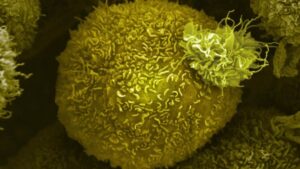
So what makes this poop-processed coffee taste so different from the regular stuff? That’s what scientists wanted to find out. The team in India collected two sets of beans from five different Robusta coffee farms:
- Regular beans picked directly from the plant
- Civet beans taken from wild civet droppings
Here’s what they discovered:
| Factor | Regular Beans | Civet Beans |
|---|---|---|
| Size | Normal | Larger |
| Fat Content | Lower | Higher |
| Protein | Same | Same |
| Caffeine | Same | Same |
| Aroma Chemicals | Normal | High in caprylic & capric acid esters |
These special esters found in civet beans are what give kopi luwak its creamy mouthfeel and almost milk-like aroma. According to researchers, this happens because of fermentation inside the civet’s gut. As the beans travel through the digestive system, natural enzymes and bacteria break down certain compounds and boost others—changing the bean’s flavor at a molecular level.
Ethics

Now, here’s where things take a turn. In the beginning, people collected civet beans from the wild. But as the demand for kopi luwak skyrocketed, many producers began capturing civets and keeping them in cages to mass-produce the beans. These caged civets often suffer from poor diets, lack of space, stress, and illness.
So while the flavor may be top-tier, the way it’s produced isn’t always humane.
Alternatives
That’s why this scientific research is so important. By understanding how the civet’s digestion changes the coffee bean, scientists can now try to recreate the same effects without involving animals at all.
One of the study’s lead researchers, zoologist Palatty Allesh Sinu, suggests this research could lead to a lab-based process that mimics civet digestion—essentially making “ethical kopi luwak.”
Also, knowing the exact aroma compounds and chemical markers that make civet coffee unique can help detect fake kopi luwak sold at high prices. Many brands sell low-quality beans claiming to be authentic, so this research could help protect both consumers and animals.
So yes, it turns out the science of great coffee can involve biology, chemistry, and a whole lot of poop. But in the end, it opens the door to a better-tasting and more ethical cup of joe.
FAQs
What animal makes civet coffee?
The Asian palm civet digests the beans and poops them out.
Why is civet coffee so expensive?
It’s rare, uniquely flavored, and hard to produce.
Is civet coffee safe to drink?
Yes, the beans are cleaned, roasted, and processed.
Can civet coffee be made ethically?
Yes, science is working on lab-made alternatives.
What gives civet coffee its taste?
Fermentation in the civet’s stomach changes its flavor.