Building homes on the Moon might sound like science fiction, but NASA is already working on turning that idea into a reality—with glass bubbles made from lunar dust. These transparent domes could one day house astronauts, labs, and even small communities, changing the way humans live in space. And the best part? They’d be made almost entirely from materials already found on the Moon.
This concept is part of NASA’s Innovative Advanced Concepts (NIAC) program, which supports futuristic ideas designed to make long-term life beyond Earth possible. So, what would it be like to live in one of these glass bubbles? Let’s find out.
Table of Contents
Regolith

Instead of carrying tons of heavy building materials all the way from Earth, NASA scientists want to use what’s already there. The Moon’s surface is covered with a dusty, rocky mix called lunar regolith. This gray powder isn’t just waste—it contains minerals and tiny glass fragments that can be melted down and reshaped.
Engineers discovered that by heating this material, they can create tough, glass-like structures that are lightweight but incredibly strong. These structures would be used to form large, dome-shaped buildings that could serve as homes and workspaces for astronauts.
This concept was developed by a space engineering company called Skyports, led by Dr. Martin Bermudez.
Process
So how exactly do you build a giant glass bubble on the Moon? It starts with collecting the glass-like particles from the lunar surface. Then, using a microwave furnace built to work in extreme conditions, these particles are melted into a thick liquid.
Once melted, the liquid can be shaped into large bubbles or domes. As it cools, it hardens into a clear, solid material strong enough to withstand space radiation, solar flares, and flying debris.
To improve strength and resistance, the team plans to mix the lunar glass with metals like titanium, magnesium, and calcium. This makes the glass bubbles more durable, especially against micrometeorite impacts and minor moonquakes.
Inside

Inside these domes, astronauts would have everything they need to live and work. Most of it would be created on-site using 3D printing technology and lunar materials.
They could 3D-print walls, furniture, tools, and even repair parts right on the Moon. That means fewer supply missions from Earth and more independence for lunar missions.
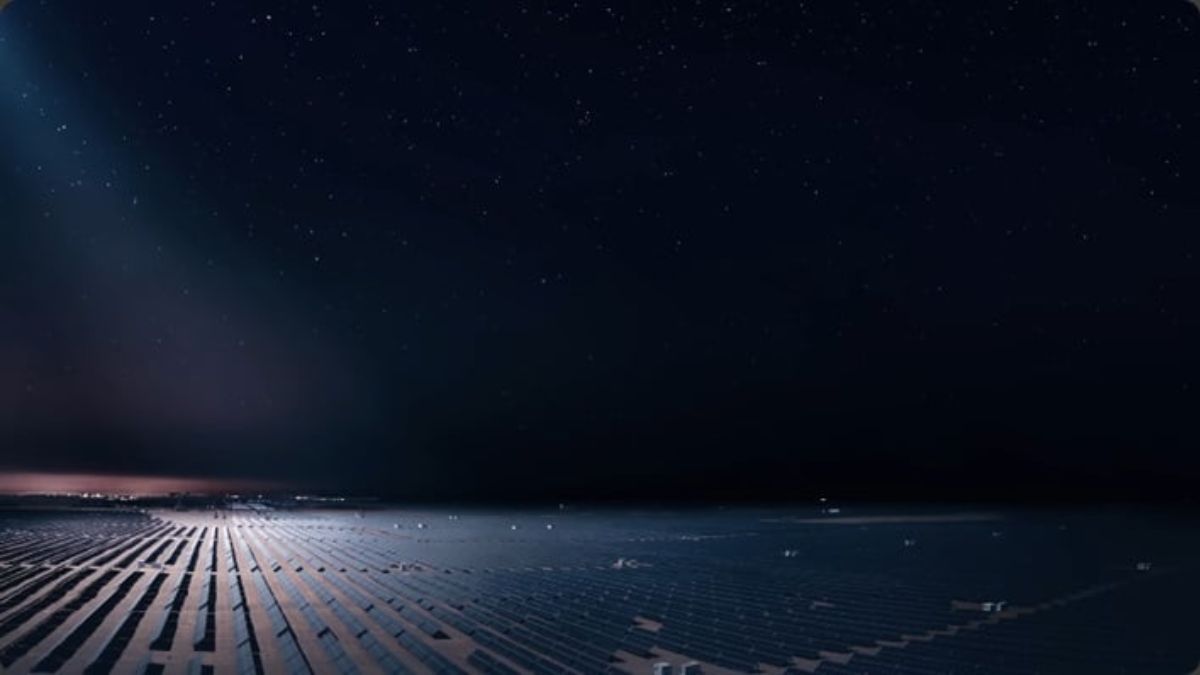
Solar panels placed outside the domes would collect sunlight and turn it into electricity. This would power lighting, air filtration, temperature controls, and communication systems.
Some of the more advanced designs also include built-in greenhouses. These would grow food and plants, providing not just meals but also oxygen. The domes would create a mini ecosystem, carefully controlling humidity, temperature, and airflow to support human life.
Purpose
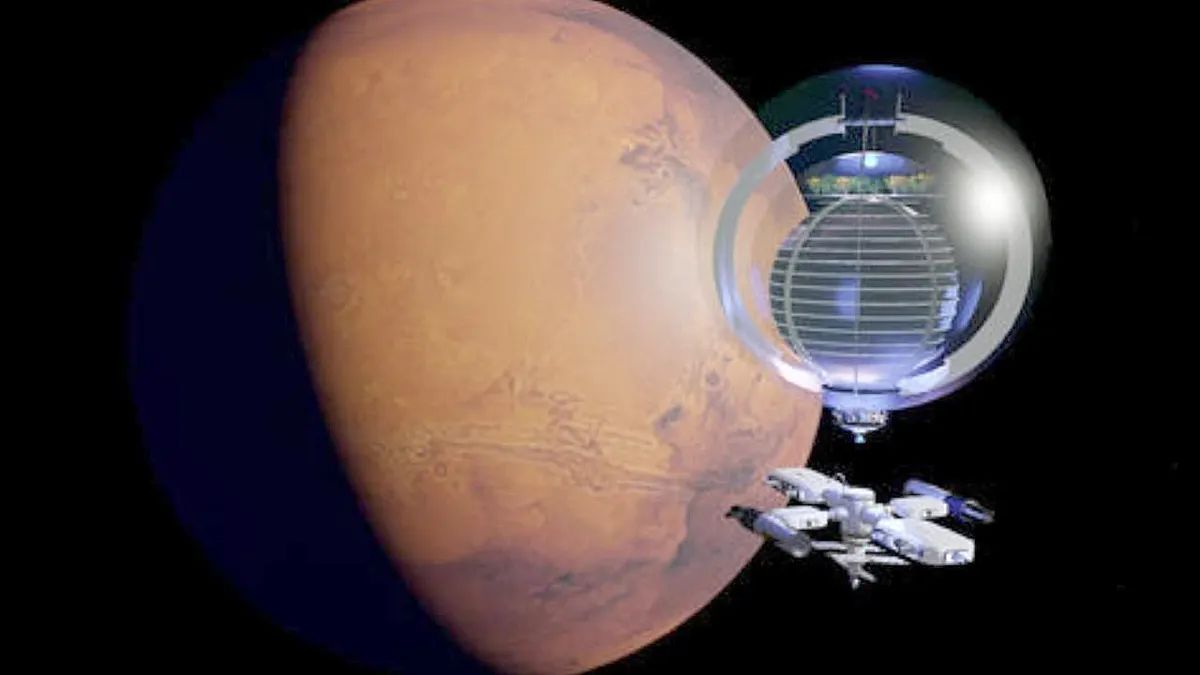
These Moon domes wouldn’t just help astronauts survive—they’d be testing grounds for building future bases on Mars and other planets.
By practicing how to build and live in extreme environments, NASA is preparing for longer missions into deeper space. Everything learned from these glass bubbles could be reused and improved upon for other planets where bringing building supplies would be even more difficult.
So, these moon bubbles are not just for comfort. They’re an essential step forward in sustainable space travel.
Future
If this plan works out, the Moon could become humanity’s first true outpost beyond Earth. Just imagine walking through a giant clear bubble on the Moon, surrounded by starlight, growing food, working in labs, and watching Earth rise in the sky.
That’s the vision. And with the progress being made, it might not be as far away as you think.
NASA’s glass bubble cities could be the beginning of a brand-new era—one where living on another world is no longer a dream, but a real part of our future.
FAQs
What are the Moon bubbles made of?
They’re made from melted lunar dust and minerals.
Why use lunar dust for building?
It avoids the cost of transporting materials from Earth.
How do the domes stay strong?
Metals like titanium are added to resist impacts.
Can astronauts live inside?
Yes, the domes would support air, food, and shelter.
Will this help Mars missions?
Yes, it’s a test model for building on other planets.