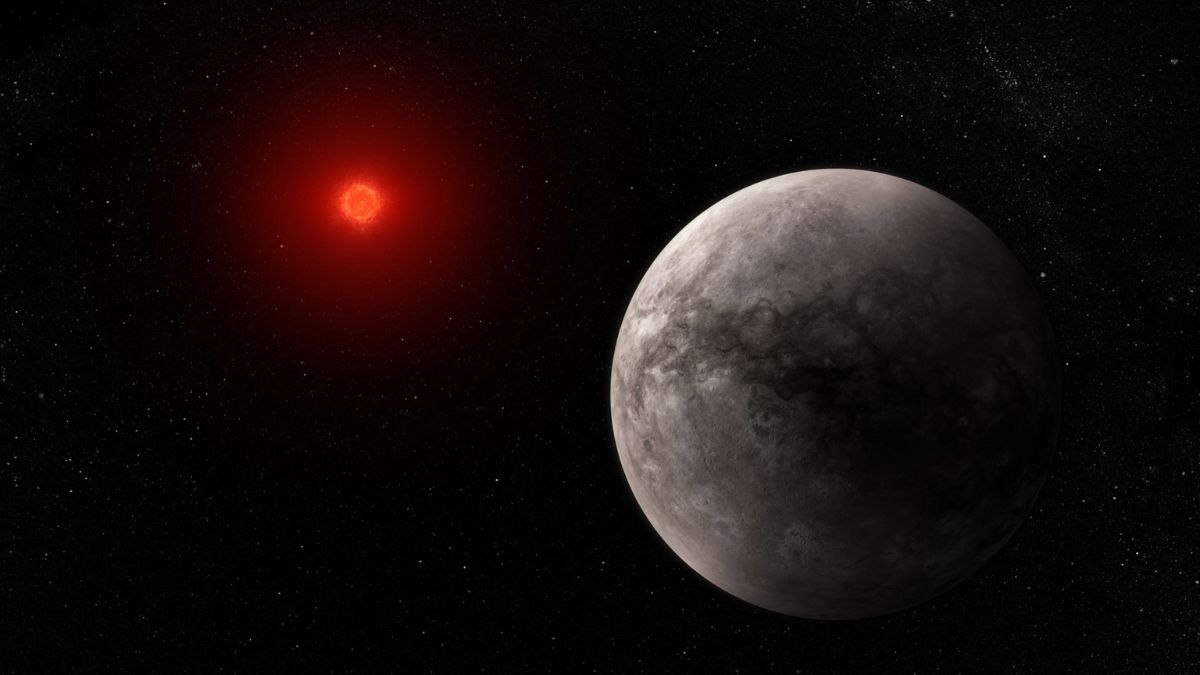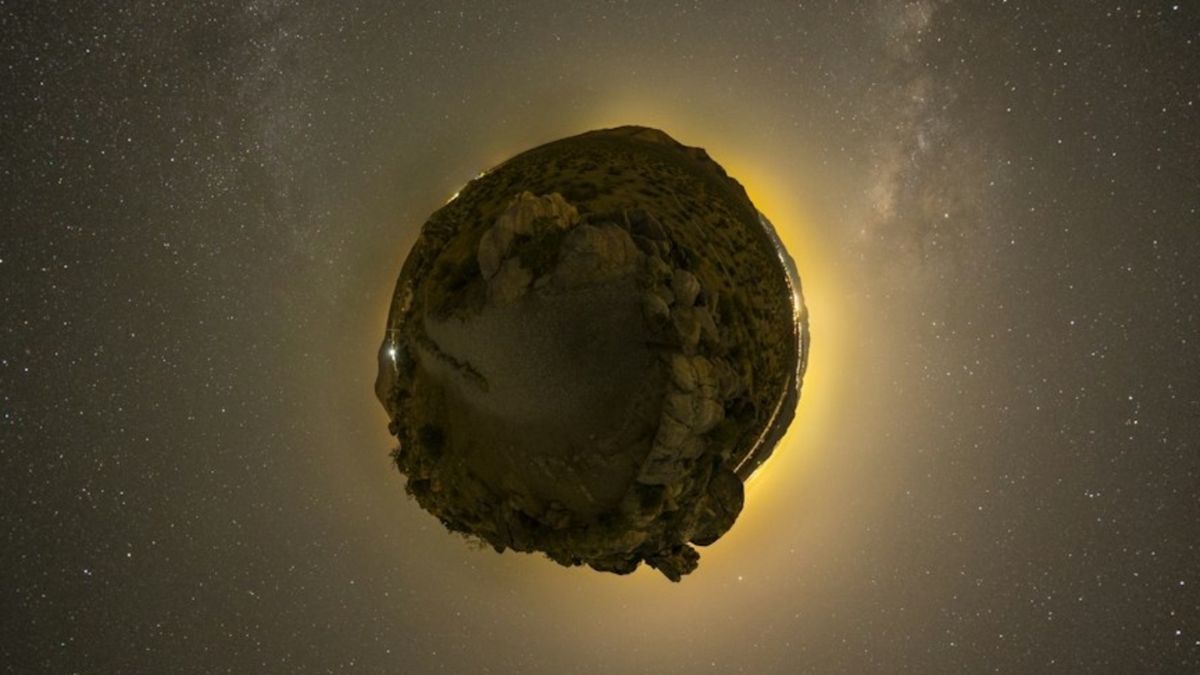
Earth just got a new cosmic sidekick. A newly discovered asteroid named 2025 PN7 has been confirmed by NASA as a quasi-moon—a rare type of space object that orbits the Sun but tags along with our planet. It’s small, quiet, and mysterious, and it’ll be riding along with us until 2083. Let’s break down what makes this little visitor so special.
Table of Contents
Discovery
Astronomers from the University of Hawaii first detected 2025 PN7 in the summer of 2025. Using powerful telescopes during their sky surveys, they spotted a dim, moving object that looked like it was following Earth’s path around the Sun.

After several weeks of tracking its movement, scientists confirmed it wasn’t a satellite, space junk, or a regular asteroid. It was something much rarer: a quasi-moon. And while it might sound like science fiction, this discovery is very real—and very cool.
Object
So, what is 2025 PN7 exactly? It’s a small asteroid, estimated to be between 18 and 36 meters wide—roughly the size of a small building. Not massive, but definitely big enough to be noticed if it came closer.
Unlike our Moon, which is locked in Earth’s gravitational grip, 2025 PN7 orbits the Sun. But it does so in a pattern that keeps it close to Earth over long periods. It’s like two joggers on a track moving side by side—not connected, but always near each other.
Orbit

This asteroid doesn’t circle Earth like the Moon does. Instead, it follows a solar orbit that closely matches Earth’s. That keeps it nearby, sometimes coming as close as 4 million kilometers—about 10 times the distance between Earth and the Moon.
Its orbit is affected by both the Sun and other planets, so it sometimes drifts as far as 17 million kilometers away. But because of the similarities in movement, it sticks with us in a kind of cosmic dance.
Here’s a quick breakdown:
| Feature | 2025 PN7 |
|---|---|
| Type | Quasi-moon (asteroid) |
| Size | 18–36 meters wide |
| Closest to Earth | ~4 million km |
| Farthest from Earth | ~17 million km |
| Orbit | Around the Sun (not Earth) |
| First close approach | ~60 years ago |
| Will stay until | ~2083 |
Significance
So why are scientists so excited? Because quasi-moons are extremely rare. Before 2025 PN7, only seven others had ever been confirmed. These objects are hard to detect because they’re small, dark, and follow complex paths that don’t match regular satellites or asteroids.
Quasi-moons offer a chance to study gravity, motion, and solar system dynamics in a very unique way. They’re also potential testing grounds for future missions—near enough to reach, but still safely in space.
Potential
While 2025 PN7 doesn’t pose any threat to Earth, it holds scientific value. Studying it could help us:
- Understand how Earth affects nearby objects.
- Learn more about asteroid behavior.
- Explore ideas for resource mining in the future.
- Test small-space missions without leaving our cosmic backyard.
Quasi-moons are like space laboratories. They give scientists a close, safe look at how objects move, react, and change under the pull of different forces.
Perspective
The discovery of 2025 PN7 is a reminder of how little we still know about the space around us. Even after all the advancements in astronomy, we’re still finding new companions in Earth’s neighborhood.
Next time you look at the Moon, just remember: somewhere beyond it, a small asteroid is quietly floating along with us through the vastness of space. It won’t be here forever—but until 2083, it’s part of our journey around the Sun.
FAQs
What is 2025 PN7?
It’s a quasi-moon, a small asteroid orbiting the Sun near Earth.
How big is 2025 PN7?
Between 18 and 36 meters wide—like a small building.
Will it hit Earth?
No, it poses no threat and follows a stable orbit.
How long will it stay?
Until around 2083, then it will drift away.
Why is this discovery important?
It helps scientists study motion, gravity, and space objects.