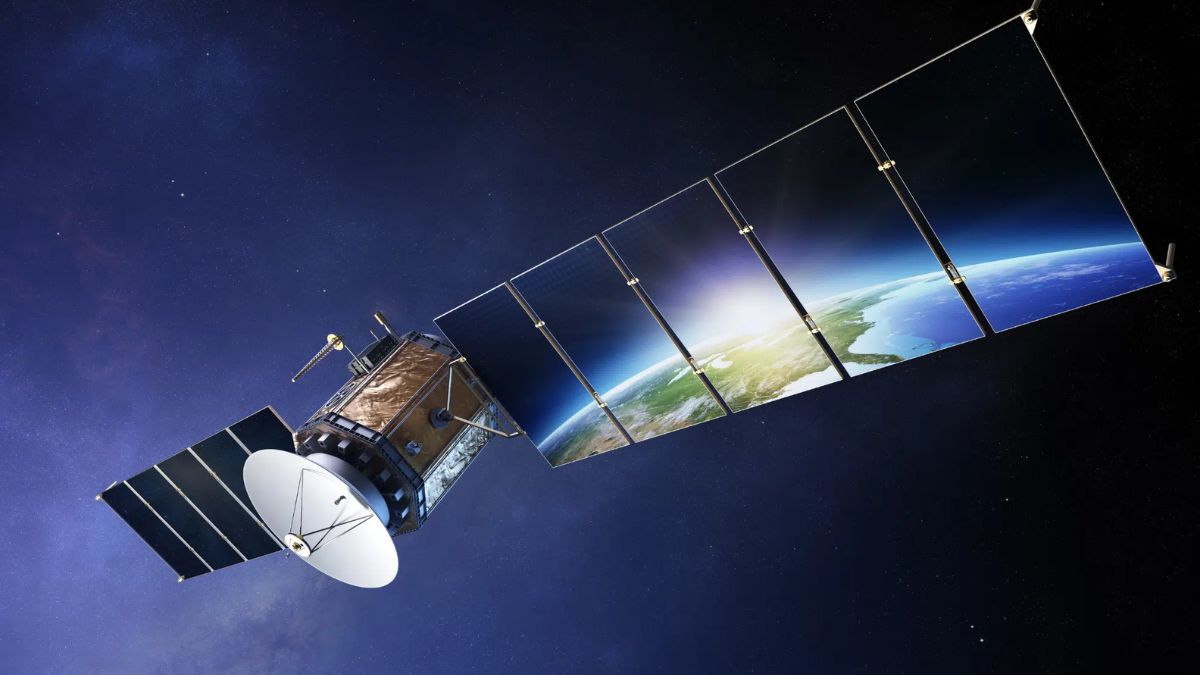
Imagine staring at the night sky and realizing the soft glow above isn’t from the moon or stars—it’s from giant mirrors floating in space. Sounds like something out of a sci-fi movie, right? Well, a California-based startup named Reflect Orbital is working to make this vision a reality.
Their goal? To use massive space mirrors to reflect sunlight back to Earth after dark, extending daylight in selected areas. It’s bold, futuristic, and—depending on who you ask—deeply concerning.

Let’s break down what they’re planning and why astronomers and environmentalists aren’t exactly thrilled.
Table of Contents
Mirrors
Reflect Orbital has announced a radical new idea: launching 4,000 huge mirrors into orbit by 2030. These mirrors would be positioned at the edge of night and day—the so-called “terminator line”—where they can catch sunlight and bounce it back to Earth. Each mirror could span up to 55 meters across, making them larger than a tennis court and easily visible from Earth.
Think of them like space-based floodlights, designed to softly brighten targeted areas during nighttime hours. It’s not meant to turn night into day, but rather to create a moonlight-like glow for extended productivity, agriculture, or emergency lighting during disasters.

The company is already preparing for a major milestone: launching its first test satellite, EARENDIL-1, in April 2026. If successful, some regions might see it streaking across the sky like a bright, artificial star.
Concerns
While the idea is undeniably ambitious, not everyone is on board—especially those who study the stars. Astronomers are raising red flags about what this could mean for space safety, sky visibility, and even wildlife.
Let’s look at their main concerns:
Crowding
Space is already getting a little too cozy. The number of satellites orbiting Earth is growing fast. In 2019, there were just 2,000; today, in 2025, there are around 15,000. And if current trends continue, that number could balloon to 560,000 by 2040.
Here’s a quick snapshot:
| Year | Number of Satellites |
|---|---|
| 2019 | 2,000 |
| 2025 | 15,000 |
| 2040 | 560,000 (projected) |
Adding 4,000 more large objects could increase the risk of collisions, creating dangerous space debris that could harm other satellites—or even the International Space Station.
Pollution
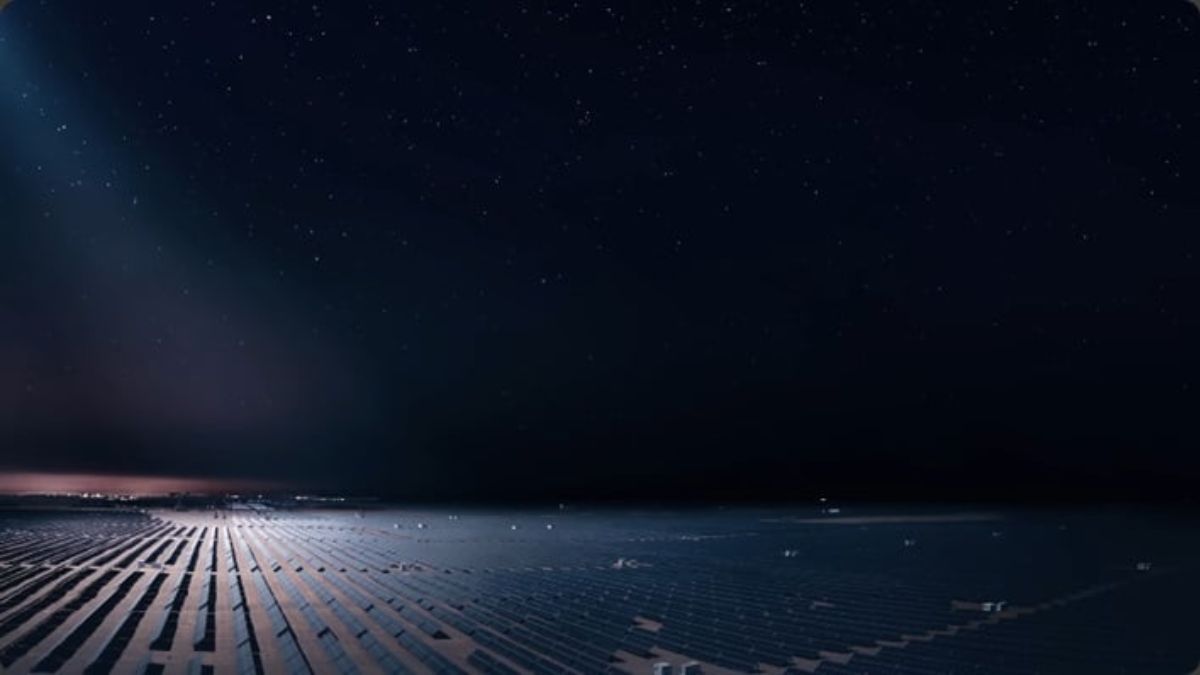
Not noise, but light. Astronomers need dark skies to observe distant galaxies, stars, and planets. But with these mirrors reflecting sunlight all over the place, even a dim glow can ruin long-exposure observations.
Unlike the natural, predictable glow of the moon, these mirrors would appear as sudden, fast-moving light sources, interfering with telescope images and making space research more difficult.
Wildlife
Believe it or not, light pollution affects more than just astronomers. Animals—especially those that are active at night—rely on natural darkness to survive. A glow four times brighter than the full moon could confuse migrating birds, disrupt mating patterns in nocturnal species, and throw entire ecosystems off balance.
Humans aren’t immune, either. Exposure to artificial light at night can disturb sleep patterns and our natural biological rhythms. Imagine trying to fall asleep when the sky still has a glow, even hours after sunset.
Control
Reflect Orbital says they’ve thought this through. The company promises their mirrors will focus light only on specific areas and will rotate away once they’ve passed their target. They argue the reflected light will be soft and controlled—more like moonlight than a spotlight.
Still, experts aren’t convinced. Even if the beam is targeted, the mirrors will remain visible to observers far beyond the focus area, appearing as bright moving points across the sky.
Impact
If this project moves ahead, it could redefine what nighttime looks like. The startup claims benefits like longer work hours, lighting for remote areas, and emergency aid during blackouts. But others argue it’s a slippery slope—once artificial light takes over the sky, where do we draw the line?
We’re not just talking about changing our night skies. We’re talking about possibly changing our relationship with nature, science, and the rhythm of life itself.
Reflection
No pun intended, but this really does call for reflection. The idea of turning night into a soft twilight sounds magical—but it also comes with serious consequences. Should we trade our natural nights for artificial light? Is it worth the risk to astronomy, ecosystems, and human health?
As with many futuristic ideas, the technology is ahead of the ethics. Just because we can do something doesn’t always mean we should.
FAQs
What is Reflect Orbital planning?
They aim to launch 4,000 space mirrors to reflect sunlight at night.
Why are astronomers concerned?
Light pollution and satellite overcrowding affect space research.
How bright will the mirrors be?
Up to 4x brighter than a full moon in focused areas.
When is the first test launch?
The first test satellite is set to launch in April 2026.
Can the mirrors be seen from far away?
Yes, they’ll appear as bright moving lights in the sky.