Atmospheric rivers might sound poetic, but their impact is anything but gentle. These high-altitude vapor streams, which carry more water than the Amazon River, are starting to change course—and the consequences are being felt across the Americas, Europe, and Asia. New scientific research reveals that these “rivers in the sky” are shifting toward the poles, leaving once-wet regions dry and turning historically calm areas into flood zones.
The implications? Cities, farms, and even forests are at risk as climate systems evolve in ways we didn’t predict. Let’s unpack this global climate twist.
Table of Contents
Vapor

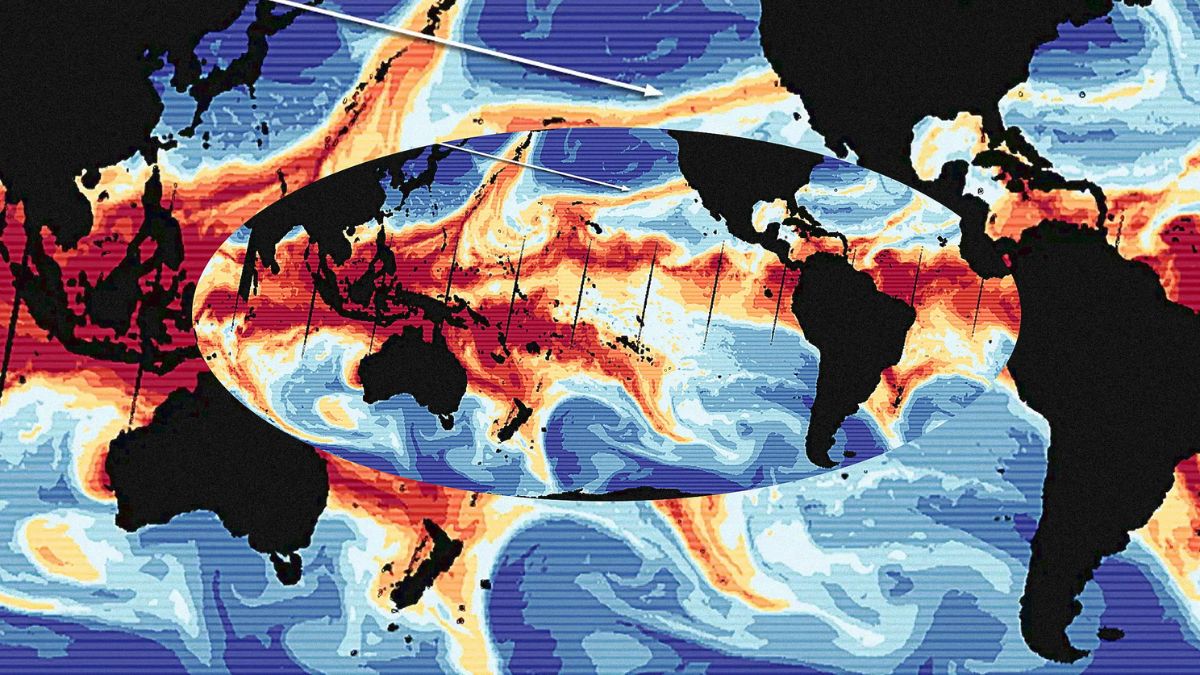
Atmospheric rivers are massive, fast-moving air currents full of water vapor, traveling thousands of meters above sea level. When they reach land, they slow down, cool off, and dump their moisture in the form of rain or snow.
They can:
- Dump meters of snow in just a few days
- Cause record rainfall and flash floods
- Refill entire reservoir systems in one hit
- Or, destroy towns with unexpected deluges
They’re essential for winter rain in places like California or central Europe, but when their paths change, everything from agriculture to infrastructure gets thrown off.
Shift

A recent study led by Zhe Li and Qinghua Ding at the University of California, Santa Barbara, shows that over the last 40 years, these atmospheric rivers have drifted several degrees toward the poles.
To put it into perspective, imagine Los Angeles suddenly receiving the storm patterns of San Francisco—or worse, missing them entirely.
This shift has created new storm zones in areas that once saw little rain, and it’s dried out former wet zones, leading to prolonged droughts. It’s not just climate change from rising temperatures—researchers point to changes in Pacific Ocean circulation as a major factor, particularly the dynamics of El Niño and La Niña cycles.
Reroute

Using data from the ERA5 climate reanalysis project, which combines past observations with modern climate models, researchers reconstructed how these vapor trails have behaved since 1979. The result? A clear poleward migration.
This rerouting means:
- Water-rich areas might not get their usual seasonal rains
- Previously dry zones may experience damaging floods
- Snow-dependent regions could see more rain instead, worsening flood risks and reducing natural water storage
In other words, weather patterns are rewriting themselves.
Impact
The shift in these vapor currents is already reshaping landscapes and challenging water management systems. Here’s how:
| Region Type | New Impact |
|---|---|
| Snow-fed mountains | Less snow, more rain, higher flood risk |
| Agricultural zones | Less irrigation water, harsher droughts |
| Coastal cities | Increased flood risk from heavy storms |
| Dry inland areas | Sudden storms causing erosion and floods |
Even minor changes in timing—like rainfall shifting from January to February—can break entire water supply systems that are designed for specific seasonal patterns.
Risk
Risk maps that once told cities where to build safely are becoming outdated. Stormwater systems built decades ago are now overwhelmed, and flood defenses are often in the wrong places.
With atmospheric rivers coming in from new directions or arriving with more intensity, current infrastructure is being tested in real time—and many systems are failing.
Regions
Here are some of the places where the changes are already being felt:
- California: Swings from extreme drought to devastating floods
- British Columbia (Canada): Rivers overflowing and severe snowmelt flooding
- Italy and Central Europe: Surprise storms damaging farmlands
- China’s Yangtze Basin: Shifting rainfall patterns disrupting agriculture
These areas depended on predictable winter water deliveries from atmospheric rivers. Now, they must deal with either too much or too little—with little warning.
Adapt
Scientists are clear: this isn’t just a fluke. It’s part of a larger pattern that’s playing out faster than most climate models expected.
Here’s what needs to be done:
- Revise flood maps and zoning rules
- Upgrade reservoirs and dams to adapt to new rainfall timings
- Invest in early warning systems and emergency alerts
- Design flexible water policies that account for shifting climate patterns
- Protect agricultural zones by adjusting planting strategies and improving irrigation systems
The biggest takeaway? These vapor rivers haven’t disappeared—they’re just passing over new territories, changing who gets water and who doesn’t.
Now
We’re living in a climate story that’s still being written. The drift of atmospheric rivers may seem subtle on paper, but in reality, it’s rewriting how we grow food, where we build homes, and how we survive storms.
Scientists warn we’re now in an era of weather unpredictability, and the shifting sky rivers are one of the clearest signs that the old patterns no longer apply.
Being prepared means rethinking what we thought we knew. That calm winter may not stay calm. That dry summer may turn into floods. And those “once in a century” events? They might just start happening every few years.
FAQs
What are atmospheric rivers?
They’re narrow vapor bands that carry huge amounts of water in the sky.
Why are atmospheric rivers shifting?
They’re moving due to ocean changes and unexpected climate dynamics.
Which regions are most affected?
Americas, Europe, and Asia face floods, droughts, and storm surges.
Do atmospheric rivers cause floods?
Yes, when they hit land they release rain or snow rapidly.
Can we prepare for these changes?
Yes, by updating infrastructure, flood maps, and water policies.