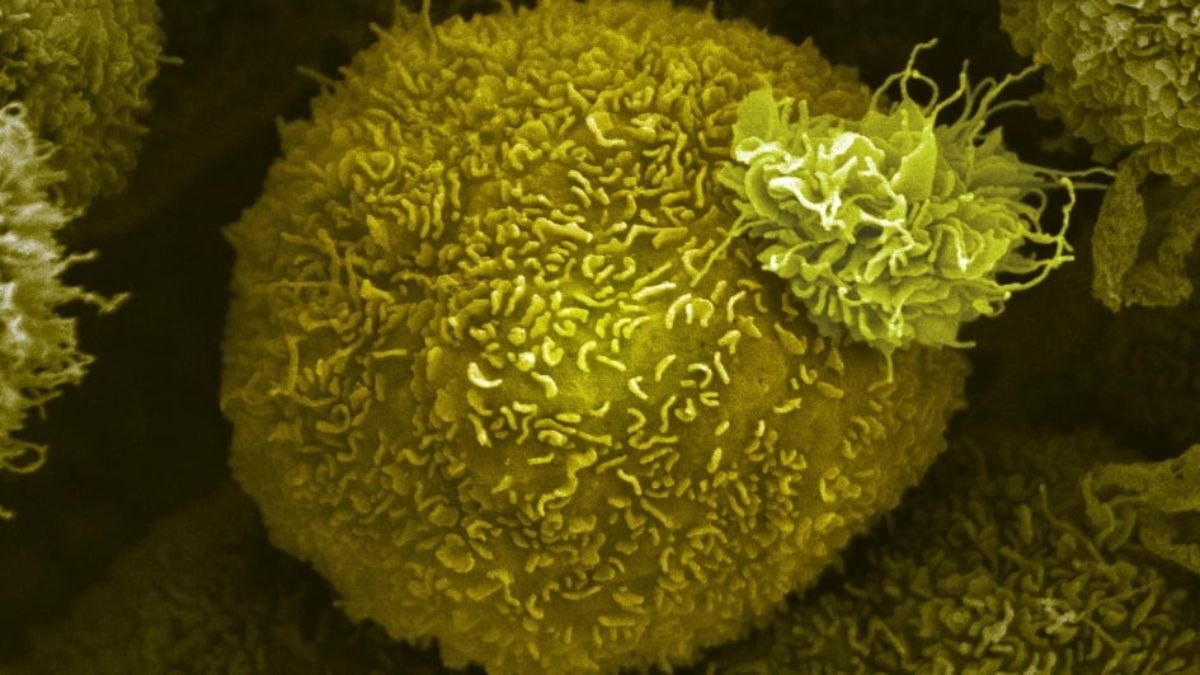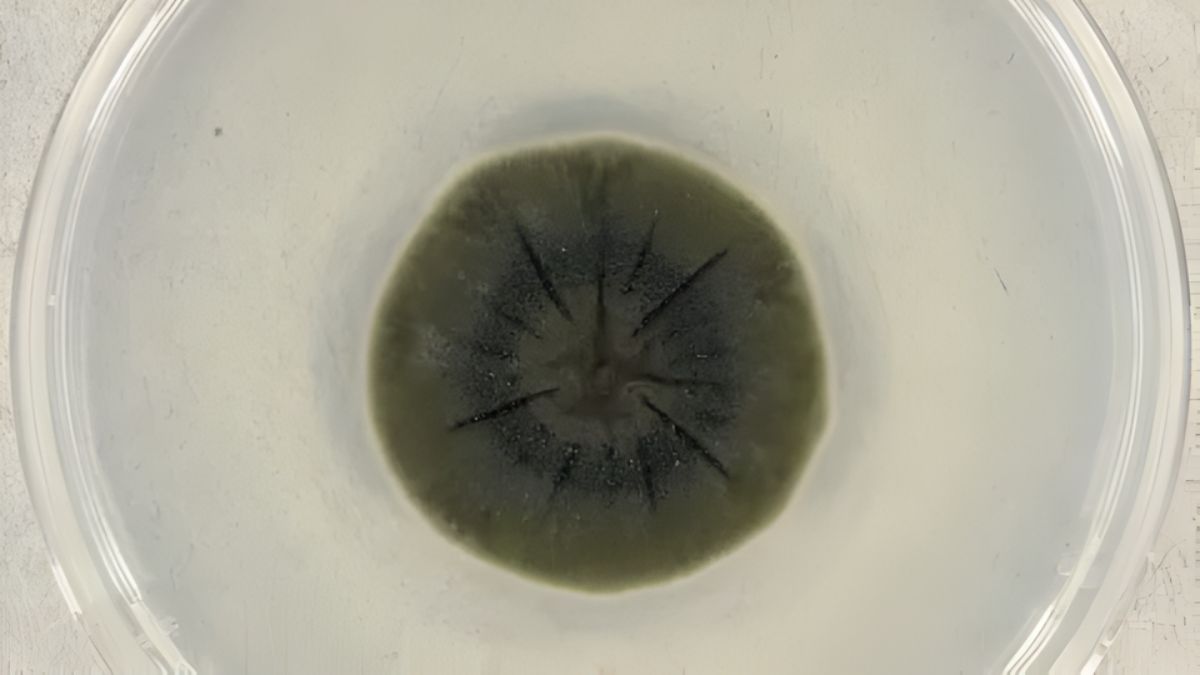
Ever heard of something that not only survives in deadly radiation but might actually thrive on it? That’s the story behind a bizarre black fungus discovered in the Chernobyl Exclusion Zone. Nearly four decades after the catastrophic reactor explosion, humans may still be banned from entering the area freely, but life—particularly fungal life—has crept back in. And not just survived, but seemingly evolved to turn a deadly threat into something useful.
Let’s cut into the curious case of Cladosporium sphaerospermum, the radioactive-loving fungus that may have developed a mind-blowing survival trick.
Table of Contents
Discovery

Back in the late 1990s, Ukrainian scientists were exploring what kind of life still lingered near the heart of the disaster zone. To their surprise, they didn’t just find one or two organisms—they documented 37 different species of fungi inside the most contaminated structures.
One stood out: Cladosporium sphaerospermum. This fungus was not only thriving but also dominating the scene, stubbornly sticking to the reactor’s walls, seemingly unbothered by radiation levels that would fry most living things.
Even more curious? Most of the fungi were black or dark-colored, loaded with melanin—the same pigment that gives human skin its tone and protects it from UV rays. But in this case, the melanin might be doing something far more complex.
Melanin
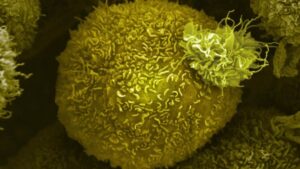
Melanin isn’t new to biology. In humans, it helps absorb harmful UV rays. In fungi, though, scientists are beginning to believe it may play an even more fascinating role.
The theory? Melanin in C. sphaerospermum could be absorbing ionizing radiation in the same way that chlorophyll absorbs sunlight during photosynthesis. Scientists have coined the term “radiosynthesis” to describe this potential process. It’s like photosynthesis, but instead of feeding on light, the fungus might be feeding on radiation.
This idea isn’t just speculative. In lab tests, the fungus not only tolerated ionizing radiation but actually grew better when exposed to it. That’s not just resistance—that’s a possible appetite.
Radiation

Ionizing radiation is nasty stuff. It tears apart DNA, damages cells, and is deadly in large doses. It’s powerful enough to kill cancer, but also harmful to healthy human tissue.
That’s why it’s so fascinating that this fungus doesn’t just survive in such a hostile environment—it might be using radiation to its advantage. When researchers exposed the fungus to ionizing radiation, they noticed changes in the behavior of melanin that were similar to energy-harvesting activity.
It’s as if this fungus is wearing a high-tech, radiation-powered suit of armor that also acts like a power generator.
Mystery
Even though the signs are there, radiosynthesis is still just a theory. Scientists haven’t yet proven that the fungus is converting radiation into usable energy in the same way plants convert light into sugars.
They haven’t seen carbon fixation—the process plants use to convert carbon dioxide into glucose—happening in C. sphaerospermum. No one’s found a clear metabolic gain directly tied to ionizing radiation. But the way this fungus behaves makes it clear something weird and remarkable is going on.
So, is it actually feasting on radiation? Or is it just really good at defending itself from it?
Space
In 2022, scientists took C. sphaerospermum for a spin—literally—to space. A sample of the fungus was strapped to the exterior of the International Space Station, exposed to cosmic radiation. The result? Less radiation passed through the fungus than through a control setup.
That’s a big deal. It suggests that this fungus might not just survive in radiation—it might block it. Imagine future astronauts growing fungal walls to shield them from space radiation. It sounds wild, but it’s already being seriously studied.
Comparisons
This isn’t the only fungus showing odd behavior under radiation. A black yeast called Wangiella dermatitidis also grows faster when exposed to radiation. Another one, Cladosporium cladosporioides, doesn’t grow more but ramps up melanin production.
Here’s a quick comparison:
| Fungus | Radiation Growth Response | Melanin Production |
|---|---|---|
| C. sphaerospermum | Enhanced | High |
| Wangiella dermatitidis | Enhanced | Moderate |
| C. cladosporioides | None | Enhanced |
Clearly, not all fungi react the same way. That makes the case of C. sphaerospermum even more mysterious. It’s not a universal trait—something special may be happening with this species.
Survival
So, what’s the bottom line? We don’t have all the answers yet. But this humble fungus is showing signs of using radiation in a way nothing else on Earth does—possibly for energy, possibly for defense, or maybe both.
Either way, it’s another example of life adapting in ways we never expected. In the heart of a nuclear wasteland, C. sphaerospermum isn’t just surviving—it’s possibly turning the tables on one of the most dangerous forces on the planet.
And if that doesn’t blow your mind, what will?
FAQs
What is C. sphaerospermum?
It’s a black fungus thriving in radioactive zones like Chernobyl.
What is radiosynthesis?
A proposed process where fungi convert radiation into energy.
Can this fungus block radiation?
Yes, it showed radiation shielding on the ISS.
Does it grow faster with radiation?
Yes, it showed enhanced growth under ionizing radiation.
Is radiosynthesis proven?
No, the theory is still unconfirmed by scientists.