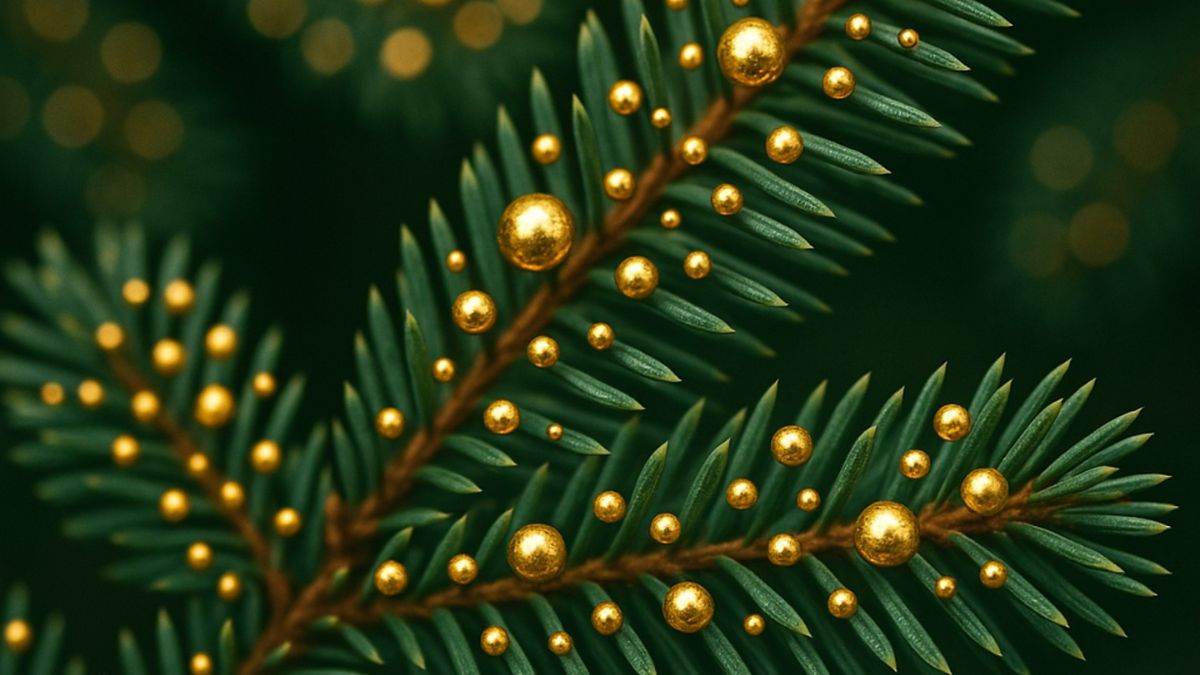
It sounds like a fairy tale, but science just made it official: fir trees in Finland can actually accumulate gold in their leaves. And no, nobody’s spraying them with anything strange. The gold is transported and transformed by invisible microbes that live inside the trees.
Researchers from the University of Oulu and the Geological Survey of Finland have revealed this phenomenon—and it could reshape how we look for gold.

Imagine a future where gold mining doesn’t start with digging, but with walking through a forest. That’s the vision scientists are now exploring.
Table of Contents
Discovery
The research took place near the Tiira gold deposit, a forested area in Finland. Scientists collected 138 needle samples from 23 red spruce trees. Out of those, four showed traces of gold—not on the outside, but inside the leaves.
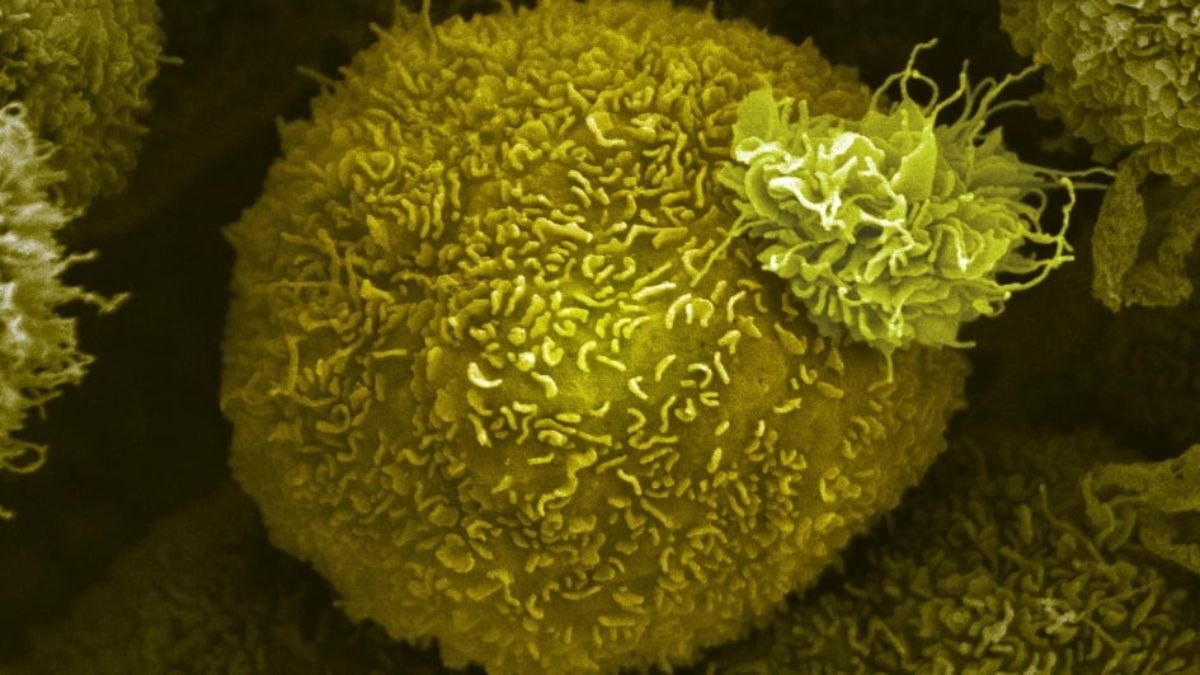
And how did it get there? The answer is tiny bacterial communities living inside the leaf tissue. These microbes were wrapped in biofilm, essentially forming little gold-processing factories within the tree.
The Microbial Team
Three main types of bacteria were identified in the study:
- Cutibacterium
- Corynebacterium
- A mysterious microbe from the P3OB-42 group
These microbes take trace amounts of gold dissolved in soil water and transform them into tiny solid particles—gold nanoparticles—that then end up stored in the tree’s needles.
The scientific term for this is biomineralization—a natural process where organisms produce minerals, often to harden or stiffen tissues. In this case, the bacteria are forming gold, naturally.
How Gold Gets Into Trees

Let’s break it down:
- The soil holds tiny amounts of dissolved gold.
- Tree roots absorb this mineral-laden water.
- Inside the tree, endophytes (internal microbes) transform the dissolved gold.
- Gold nanoparticles accumulate in the leaves and branches.
Here’s a simplified table to explain it:
| Step | Process |
|---|---|
| 1 | Gold dissolves in underground water |
| 2 | Tree roots absorb the water |
| 3 | Microbes convert gold to solid particles |
| 4 | Nanoparticles are stored in leaf tissue |
Now before you go planting fir trees in hopes of striking it rich—don’t. The total value of gold found in an entire tree is around $0.02. That’s two cents. So this isn’t about gold farming—it’s about something much bigger.
Why It Matters
This discovery could revolutionize the mining industry. If trees can act as natural sensors, showing what’s buried beneath the soil, prospectors may no longer need to drill blindly or damage the environment.
We’re talking about a low-cost, low-impact way to detect underground resources using nothing more than a tree’s biology. It’s a perfect example of green mining in action.
A New Kind of Prospecting
What makes this breakthrough so powerful is its combination of disciplines:
- Microbiology to understand the bacterial behavior
- Geology to trace where the minerals originate
- Ecology to observe tree-environment interactions
- Nanotechnology to study the microscopic gold particles
It’s not just a win for one field—it’s a model for future scientific collaboration.
The Future of Mining?
The long-term vision is this: by analyzing tree leaves, miners could detect underground gold deposits without touching the soil. This technique could replace invasive survey methods, lower environmental costs, and help preserve natural landscapes.
And while the amount of gold per tree is small, the presence of gold signals what lies beneath. A forest of trees with traces of gold might just be the surface indicator of a rich underground deposit.
Natural Wonder
It feels poetic, doesn’t it? Fir trees—often associated with Christmas—silently storing microscopic bits of gold in their leaves. It’s like nature’s hidden ornaments, invisible to the naked eye but full of meaning.
We often look for wonder in the farthest corners of the planet. But sometimes, all it takes is a microscope and a walk in the woods.
FAQs
Do fir trees really store gold?
Yes, microbes help accumulate gold nanoparticles in the leaves.
How much gold is in a tree?
About 2 cents’ worth—it’s not commercially valuable.
What is biomineralization?
It’s a natural process where microbes form solid minerals.
Can this replace traditional mining?
Not yet, but it could help reduce environmental impact.
Where did the study take place?
Near the Tiira gold deposit in Finland.