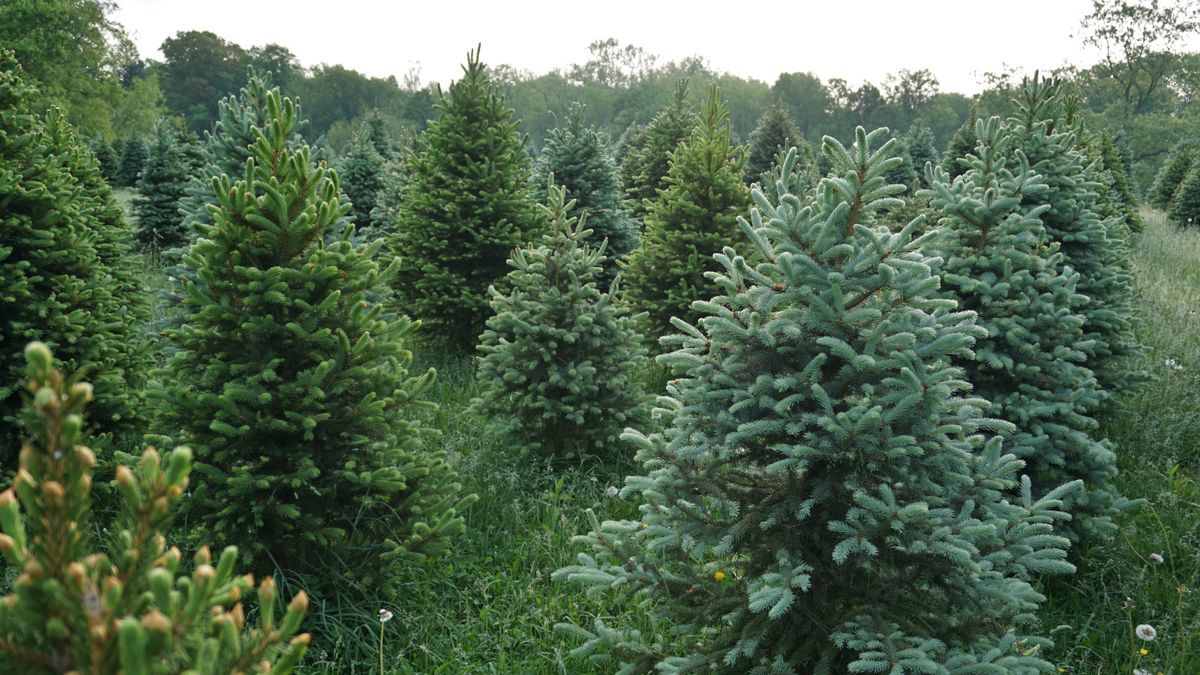
It sounds like something out of a forest fairytale, but it’s true — red spruce trees in Finland actually contain gold in their leaves. No, you won’t be plucking gold chains off their branches, but deep inside their needles, real gold nanoparticles are hiding.
Scientists from the University of Oulu and the Geological Survey of Finland (GTK) recently confirmed this fascinating discovery. And if that’s not cool enough, these golden surprises are made possible by tiny microbes working their magic inside the trees.

Welcome to what many are calling the dawn of green mining — a new way to look into Earth’s riches without tearing it apart.
Table of Contents
Discovery
The research took place at the Tiira gold deposit in northern Finland, where scientists collected 138 red spruce needle samples from 23 trees. Out of all those samples, four trees revealed something unexpected: real gold particles embedded in the structure of the leaves.
This wasn’t just dust or surface contamination. The gold was fully integrated into the needle tissue, as if grown there. Surrounding it were special microbes, quietly doing the work of natural alchemists beneath the bark.
Microbes
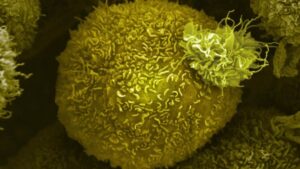
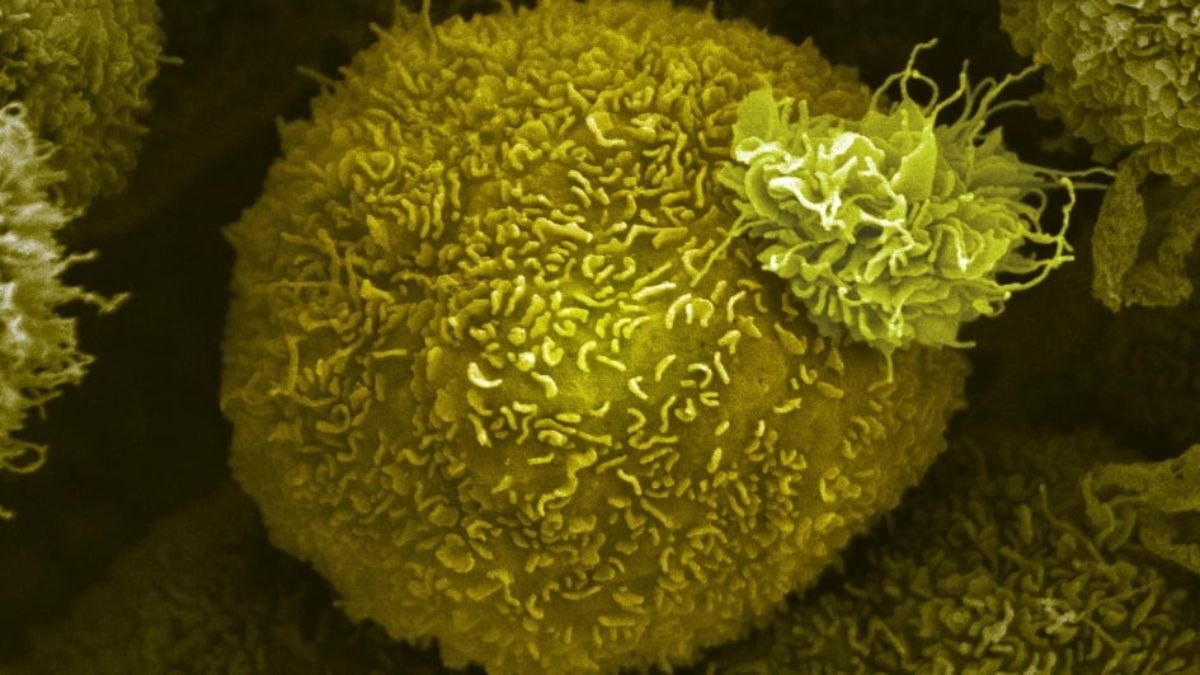
Here’s where it gets even more interesting. These microbes — mainly Cutibacterium, Corynebacterium, and a mysterious group called P3OB-42 — live inside the spruce trees. Scientists believe they’re the ones converting dissolved gold in the soil into solid gold nanoparticles, which then get absorbed by the tree.
So, the tree isn’t just soaking up minerals — it’s actually being helped by its inner bacterial community, working like tiny gold-processing labs. This flips everything we thought we knew about how plants interact with underground minerals.
Process
Plants have always taken up nutrients from soil. But now we know that it’s not just the roots doing the work. These internal microbes are key players, acting like little engineers turning soil minerals into something solid and usable.

Even though the value of the gold in a single tree is tiny — just around 0.02 euro cents — the implications are massive. This could change the way we look for minerals beneath the surface, using trees as natural sensors instead of digging up the land.
Alchemy
Think about it: instead of drilling into mountains or clearing forests, what if we could simply study the leaves? If a tree contains traces of gold, it could be a sign that a deposit lies hidden below.
It’s a little like reading the forest as a treasure map — gentle, poetic, and potentially revolutionary.
Greenmining
This discovery opens the door to green mining, an approach that minimizes environmental damage. Rather than blasting through rock and disrupting ecosystems, scientists could use vegetation to detect mineral resources.
This method would blend several disciplines — ecology, geology, microbiology, and even nanotechnology — to create a cleaner, smarter way of finding valuable materials underground. Trees and microbes could become our new partners in mining.
Nature
Red spruces are more than just forest giants now. They’re quiet custodians of hidden metals, thanks to the bacteria living within them. It’s a perfect example of how nature and science can work together rather than against each other.
These microbes, invisible to the naked eye, are quietly reshaping how we understand biology, chemistry, and Earth’s underground secrets.
Future
The research is still in its early stages, but it’s already making waves. Published in Environmental Microbiome, the findings have inspired scientists to test other trees, other soils, and different climates to see if the same microbial gold-making process can happen elsewhere.
And the long-term goal? Develop a non-invasive, nature-friendly method to map underground gold and other minerals. No drills, no dynamite — just a walk through the forest with the right scientific tools.
Who knew that the secret to the future of mining might be hiding in the leaves above our heads?
FAQs
Do Finnish trees really have gold?
Yes, gold nanoparticles were found in spruce needles.
How does gold get inside the trees?
Microbes turn gold in soil into particles the tree absorbs.
What microbes are involved?
Cutibacterium, Corynebacterium, and group P3OB-42.
Is this gold valuable?
Not much per tree, but scientifically very important.
What is green mining?
Using nature-friendly methods to detect underground minerals.