Cook County, Illinois, is making history again—this time by continuing its groundbreaking guaranteed income program into 2026. After a successful pilot launched in 2022, the county has voted to keep the program alive with fresh funding and expanded impact. Thousands of residents can expect to keep receiving unconditional cash support, all without having to jump through traditional welfare hoops.
So how much will they get? Let’s take a closer look at the numbers, the politics, and what this means for guaranteed income in the U.S.
Table of Contents
Amount

If you’re wondering how much the Cook County guaranteed income beneficiaries will receive in 2026, the answer is simple: $500 per month. That’s the same amount provided during the original pilot, and the county has confirmed it will stick to that number going forward.
These monthly payments are unconditional—meaning recipients can use the money however they see fit. Whether it’s groceries, rent, childcare, or just catching up on bills, the cash comes with no strings attached.
Here’s a snapshot of the payment setup:
| Year | Monthly Payment | Number of Households |
|---|---|---|
| 2022-2023 | $500 | 3,250 |
| 2026 | $500 | TBD (based on new budget) |

The new round will be funded by $7.5 million from the county’s 2026 budget. While the exact number of households hasn’t been released yet, it will likely remain in the same range—thousands of low- and middle-income families will benefit.
Origins
The pilot program began in 2022 with $42 million in federal COVID-19 relief funds. It provided monthly payments of $500 to over 3,000 households. What made this program different from others was its size, simplicity, and reach—it quickly became one of the largest guaranteed income experiments in the U.S.
Officials reviewed participant surveys and found that the pilot had significantly improved economic stability, reduced stress, and helped people meet basic needs.

These results pushed county commissioners to approve ongoing funding for the program.
Comparison
Guaranteed income is not the same as universal basic income (UBI), though they often get confused. Here’s how they differ:
| Program Type | Who Gets It | Purpose |
|---|---|---|
| Guaranteed Income | Low- to middle-income | Reduce poverty and instability |
| Universal Basic Income (UBI) | Everyone | Simplify welfare and support all |
In Cook County, the program is targeted—it helps families who are struggling to make ends meet. It’s not meant to replace jobs or the entire welfare system, but rather to fill in gaps and give people breathing room.
Politics
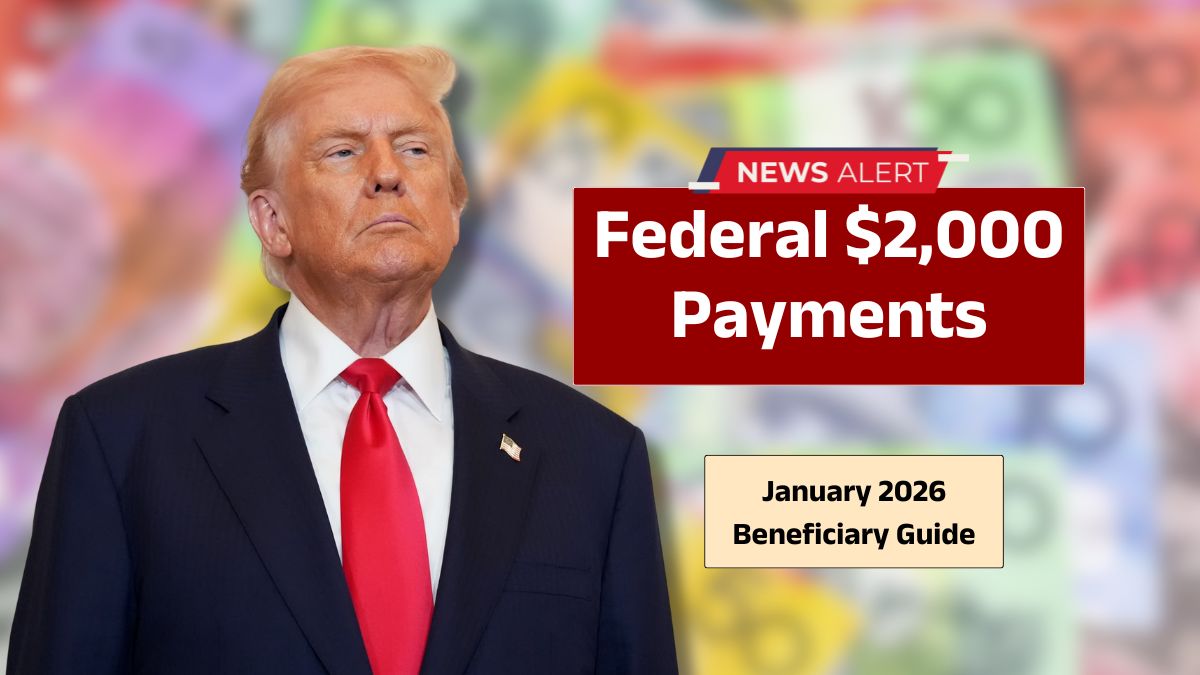
The Cook County plan comes just as national conversations around direct payments are heating up again. Former President Donald Trump recently floated the idea of giving $2,000 “tariff dividend” checks to Americans, paid out of federal tariff revenues.
While it made headlines, the math doesn’t quite add up. The federal government brings in about $120 billion in tariff revenue annually, but sending out $2,000 to 150 million people would cost nearly $300 billion.
Treasury Secretary Scott Bessent made it clear: Trump’s plan would require new legislation, and currently, there’s no formal bill.
Debate
The Cook County guaranteed income program has sparked strong opinions on both sides. Supporters, like Sarah Saheb, Illinois’ Director of Economic Security, argue that it’s a lifeline for families. She highlighted how the money helped with essentials like food, child care, and transportation.
Critics, like Josh Bandoch of the Illinois Policy Institute, claim that such programs can unintentionally make things worse—by discouraging work or reducing long-term income growth. It’s a familiar debate: should support come with strings, or is trust in recipients the smarter path?
What’s Next
While $7.5 million has been allocated, full eligibility criteria for the 2026 Cook County program are still being defined. More details are expected to be released by mid-2025, and applications will likely reopen soon after.
Meanwhile, Trump’s $2,000 national check plan remains in political limbo. With no concrete legislation introduced yet, the idea is more of a campaign proposal than a guaranteed outcome.
For now, what’s certain is that Cook County residents enrolled in the program can count on $500 per month in 2026, continuing a trend of targeted financial support aimed at boosting stability and reducing poverty.
FAQs
How much will Cook County pay monthly?
$500 per month to qualified residents in 2026.
Who qualifies for the payments?
Low- and middle-income residents (criteria pending).
Is this universal basic income?
No, it’s guaranteed income targeted at lower-income groups.
Did the pilot program show success?
Yes, it reduced stress and improved financial stability.
Is Trump’s $2,000 plan official?
No, it’s a proposal without current legislation.