Osteoporosis has long been seen as a condition we can only slow down, not reverse. But what if that’s about to change? Scientists are now uncovering powerful new ways to boost bone strength—some of which could one day help reverse osteoporosis entirely. Sounds too good to be true? Let’s cut into the science behind this exciting development and why it matters for anyone worried about bone health.
Table of Contents
Breakthrough
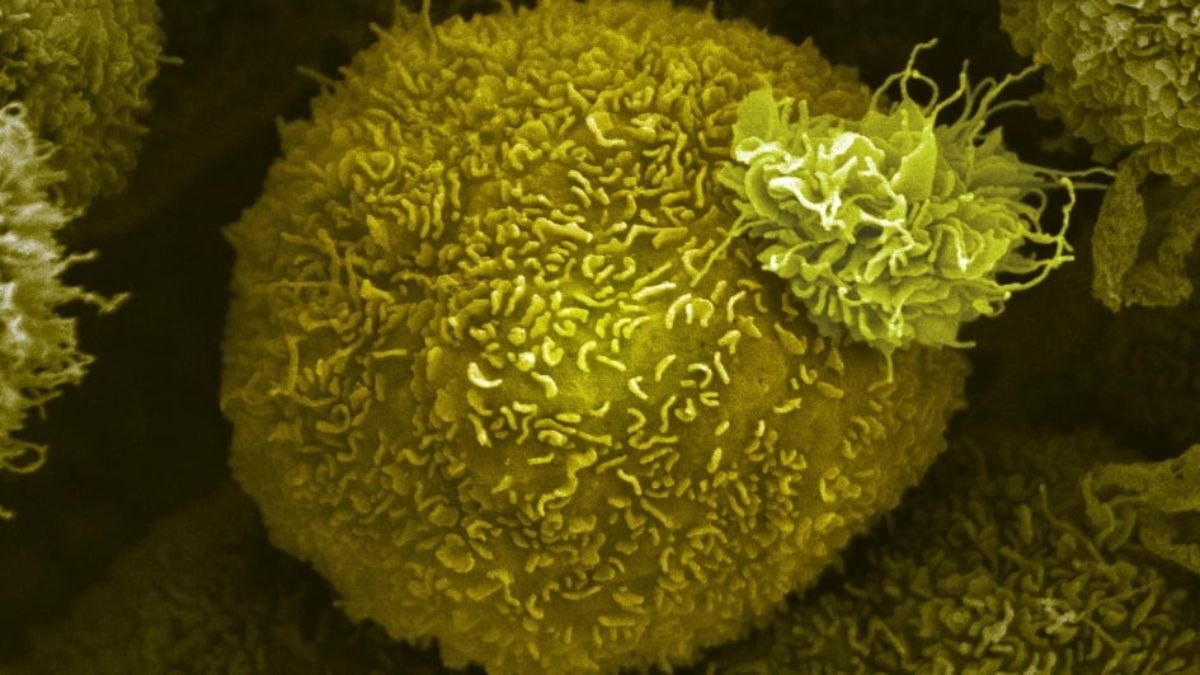
A research team from the University of Leipzig in Germany and Shandong University in China has uncovered a game-changing discovery: a specific receptor in the body, called GPR133 (or ADGRD1), appears to control how bones are formed and strengthened. It’s a key player in the work of osteoblasts—the bone-building cells responsible for creating strong, dense bones.

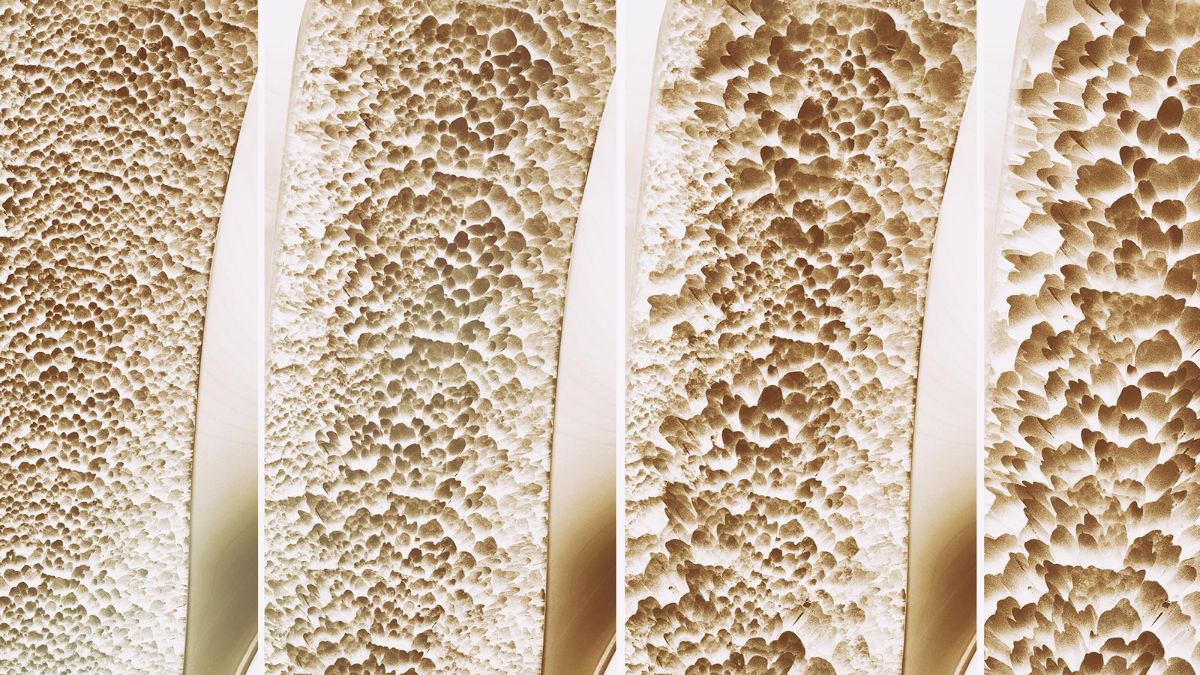
When the researchers studied mice missing this gene, the results were striking. These mice developed bones that resembled those of people suffering from osteoporosis. But when the scientists activated the GPR133 receptor using a substance called AP503, bone density and strength significantly improved—even in osteoporotic mice.
Activation
So, how does this AP503 work? Think of it as a biological “on” switch. It tells osteoblasts to get to work and start building stronger bone. AP503 was discovered using computer-based screening methods and acts like fuel for bone formation. The kicker? When combined with exercise, its effects were even more powerful.
That’s a huge deal because current osteoporosis treatments only slow the breakdown of bone. They don’t actually rebuild it. This new approach could change that—offering a future where we not only prevent bone loss but reverse it.
Limitations

It’s worth noting that so far, this research has been done on mice. But scientists believe the same mechanism likely exists in humans. The symptoms seen in the mice mirror those of human osteoporosis, especially when genetic changes affect the GPR133 receptor.
So while human trials haven’t started yet, the building blocks for treatment are there. The discovery opens the door to therapies that go beyond simply preventing further damage.
Options
Right now, osteoporosis medications come with their own set of problems. Many are only moderately effective, lose their impact over time, or come with serious side effects—including an increased risk of certain cancers or cardiovascular issues.

This new research represents a smarter, more natural approach: using the body’s own mechanisms and enhancing them with carefully designed substances like AP503.
Implants
Here’s where it gets even more exciting. In 2024, another team of researchers took the idea of using the body’s own healing powers and applied it to a new type of implant. This isn’t your standard surgical metal or ceramic—this is a soft, gel-like implant made using a person’s own blood.
How does that work? The body already uses clotting as part of the healing process. The new “biocooperative regenerative” material is a synthetic peptide blend that mimics and enhances the body’s natural clotting ability. It can even be 3D-printed to fit complex bone breaks.
In rat tests, this material helped bones heal faster and stronger than ever before. And because it’s made from your own blood, there’s no rejection or complications like you get from synthetic materials.
Here’s a quick comparison of current treatments vs. emerging solutions:
| Treatment Type | Focus Area | Effectiveness | Side Effects | Potential to Reverse Osteoporosis |
|---|---|---|---|---|
| Current Medications | Slow bone loss | Moderate | Yes | Low |
| AP503 Activation | Stimulates osteoblasts | High in mice | Unknown (in humans) | High (in theory) |
| Blood-based Implant | Bone healing | High in rats | Minimal | High (for injuries) |
Hormones
And there’s even more going on. Another study led by the University of California, San Francisco, identified a hormone in female mice that boosts bone strength in a big way. Named MBH (maternal brain hormone), this hormone makes bones denser and much stronger—even in male mice.
Scientists were shocked by how effective MBH was. Bones treated with it showed levels of mineralization and strength never seen before. This could mean that future osteoporosis treatments might not rely solely on drugs, but also on harnessing naturally occurring hormones to rebuild bones.
Promise
Yes, all of these studies are still in early stages, mostly involving animal models. But the momentum is undeniable. We’re now learning how to trigger the body’s own healing powers, whether through genes, hormones, or custom implants.
If these discoveries can be safely translated into human treatments, the future could include therapies that restore bone health—not just slow its decline. For millions dealing with osteoporosis, that’s more than just good news—it’s a potential lifeline.
So, whether it’s gene-activated bone building, regenerative implants, or hormone therapy, the future of bone health is looking much stronger—literally.
FAQs
What is GPR133?
It’s a cell receptor that controls bone strength via osteoblasts.
How does AP503 help bones?
It activates GPR133 to boost bone density and strength.
Can this reverse osteoporosis?
In mice, it improved bones; human trials are still needed.
What is the blood-based implant?
A gel made from blood that speeds up bone healing.
What does MBH hormone do?
It helps grow stronger, denser bones in mice.