Imagine a world where oxygen-producing life already existed, but the atmosphere remained practically breathless for nearly half a billion years. That was Earth, over 2.5 billion years ago.
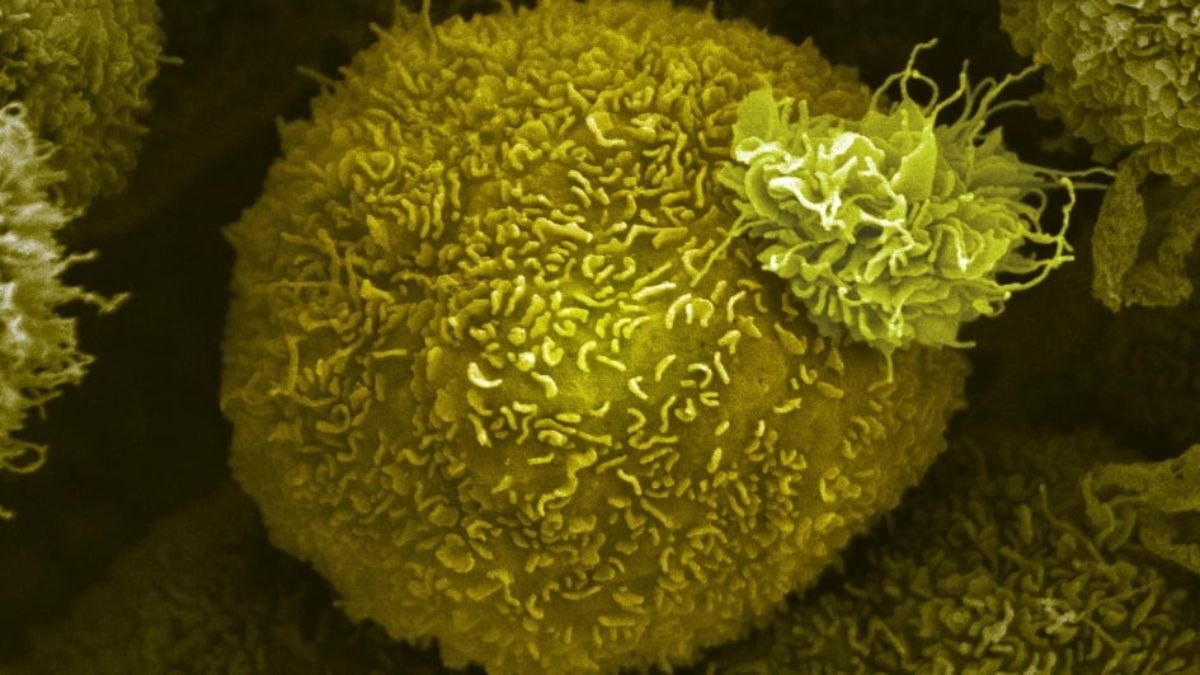
Cyanobacteria—the little microorganisms that changed the world—were already hard at work producing oxygen. So why didn’t our skies fill with it sooner? A new study finally gives us some answers, and the surprising culprits are nickel and urea.
Table of Contents
Beginnings

Life on Earth started early, and so did the production of oxygen. Cyanobacteria were doing photosynthesis as far back as 2.9 billion years ago. These tiny organisms released oxygen as a byproduct, just like plants do today. Yet, even with oxygen being produced, Earth’s atmosphere remained nearly oxygen-free for hundreds of millions of years.
Scientists have long puzzled over this delay. This time period—before the Great Oxidation Event (GOE) around 2.4 to 2.1 billion years ago—seemed like a scientific paradox: life was creating oxygen, but none of it was sticking around.
Delay
What held the oxygen back? That’s the billion-year question. The new research points the finger at two unlikely chemical suspects: nickel and urea.
Let’s break it down:
| Element | Impact on Cyanobacteria |
|---|---|
| Nickel | Causes oxidative stress at high levels |
| Urea | Turns toxic at high concentrations |
Nickel, found in large amounts in early oceans, helped cyanobacteria grow in small doses. But too much of it created stress in the cells, slowing down their reproduction. Think of it like too much sunlight frying a plant. Urea, a nitrogen-based compound, had a similar effect. When levels rose above 2 millimoles per liter, it caused cyanobacteria to accumulate ammonia, which turned toxic.
So, while cyanobacteria were there and doing their job, they couldn’t thrive. Their limited growth meant that the oxygen they made was too little to change the atmosphere. It either got absorbed into the oceans or reacted with other elements like iron and sulfur.
Shift

Over time, nickel levels in the oceans dropped, and urea concentrations stabilized. With fewer chemical stressors in their environment, cyanobacteria began to thrive.
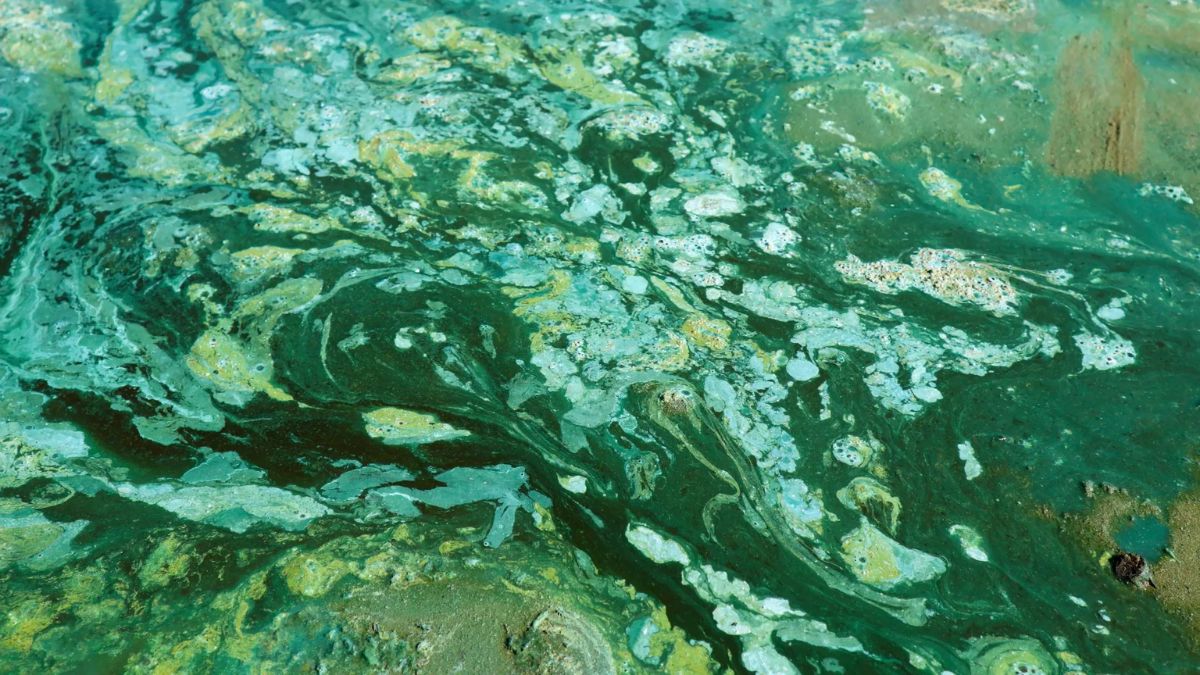
They eventually formed large colonies—or blooms—which created “oxygen pockets” in the oceans. As the oxygen output increased, it reached a tipping point. That triggered the Great Oxidation Event, one of the most important transformations in Earth’s history.
That’s when Earth’s atmosphere finally began to accumulate oxygen, setting the stage for complex life.
Perspective
Why does this ancient mystery matter now? Because understanding it helps us look for life elsewhere in the universe.
It’s tempting to assume that if a planet has oxygen, life must be there. But this study shows the opposite could be true too. A planet could be full of microbial life, producing oxygen, yet its atmosphere might not show any trace of it—thanks to chemical blockers like nickel or urea.
This has huge implications for astrobiology. Scientists searching for life on Mars, or icy moons like Europa or Enceladus, need to look beyond just oxygen. They need to understand the chemistry that might hide or reveal signs of life—also known as biosignatures.
Balance
The early Earth was a test of patience. Life and chemistry battled for control, and for a long time, chemistry won. But life persisted. And eventually, it transformed the planet forever.
This story is a powerful reminder: just because you don’t see something, doesn’t mean it’s not there. Life may be hiding, waiting for the right conditions to bloom.
Understanding Earth’s oxygen delay helps solve one of the biggest mysteries of our planet’s past—and opens the door to discovering life far beyond it.
FAQs
When did cyanobacteria appear?
They existed around 2.9 billion years ago.
Why didn’t oxygen accumulate earlier?
Nickel and urea stressed cyanobacteria and slowed oxygen output.
What is the Great Oxidation Event?
It’s when Earth’s atmosphere started gaining oxygen, around 2.4–2.1 billion years ago.
How does this help space research?
It shows that oxygen absence doesn’t mean life absence.
Is too much nickel harmful to bacteria?
Yes, it causes oxidative stress and limits their growth.