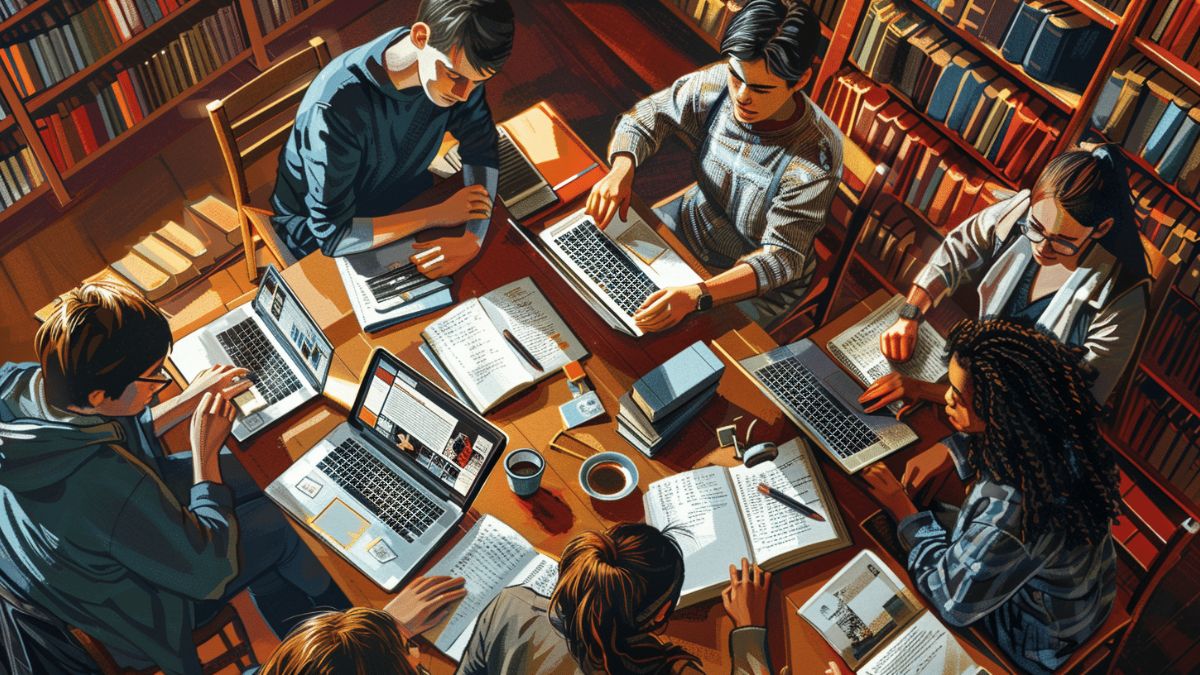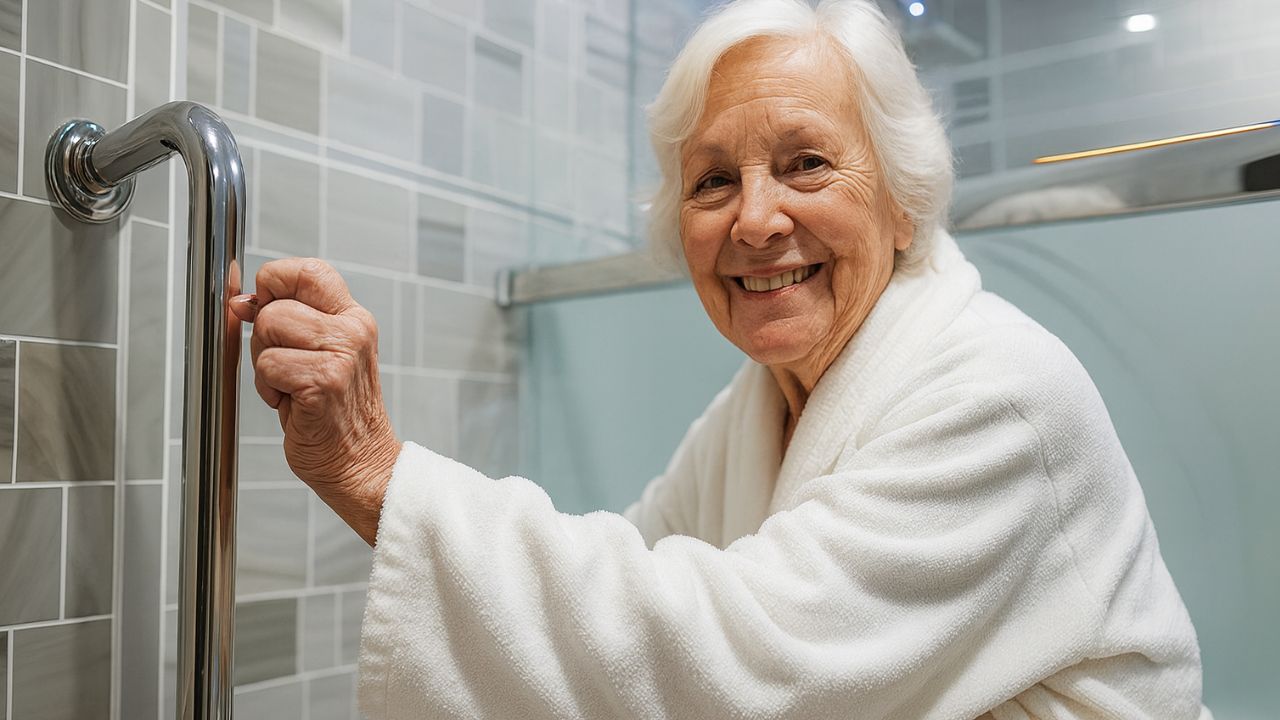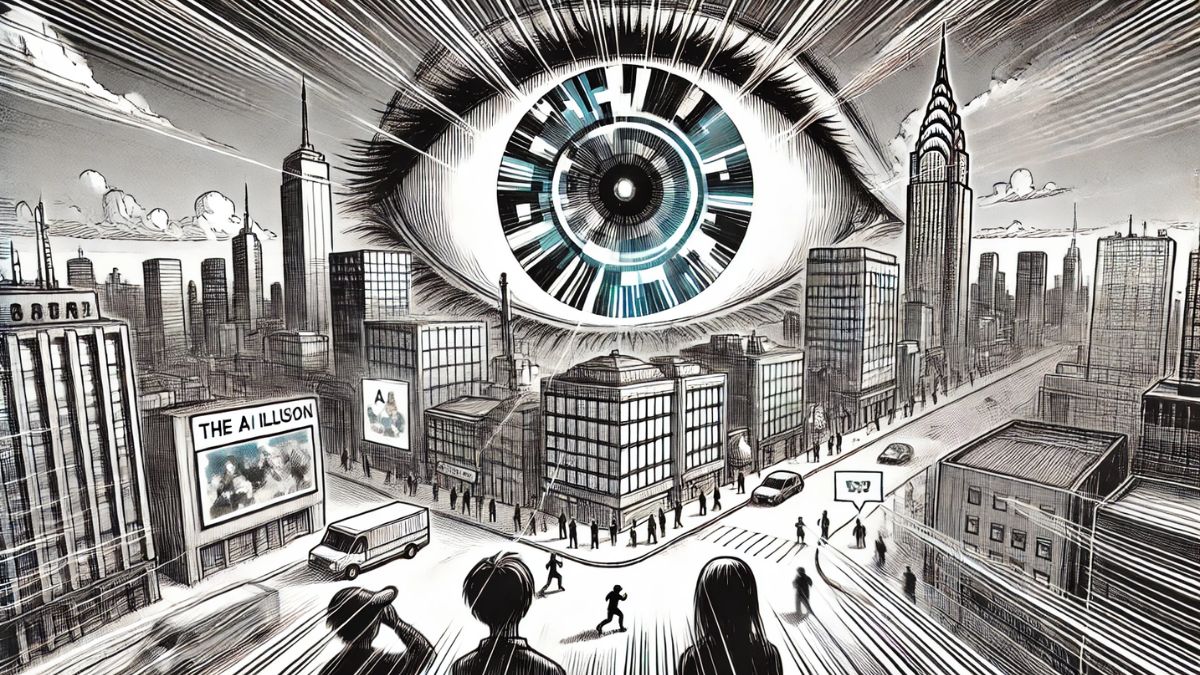
We’ve officially entered a time when reality is no longer something we can trust with our eyes. Thanks to artificial intelligence, creating photo-realistic images that are impossible to distinguish from real ones is now as easy as tapping a few buttons on a free app. What used to take advanced skills and expensive tools can now be done by just about anyone—with shockingly convincing results.
Gone are the telltale signs like six fingers or warped backgrounds. AI-generated images have become so flawless that the very idea of “visual truth” is on the verge of extinction. What we see, we no longer believe—and that changes everything.
Table of Contents
Doubt

It’s disturbing how fast this shift has happened. In just the last year, AI has gone from clumsy image generation to creating photos so realistic they can fool anyone. Our relationship with reality, memory, and even truth itself is being redefined.
We’ve entered the era of permanent visual doubt—where every photo could be real, or fake, or somewhere in between.
Trust
For nearly two centuries, photographs were our proof—of presence, events, and memories. Photos were sacred because they captured something that had to be real. Now, that trust is dead. We no longer assume that a picture reflects a true moment. Instead, we instinctively ask, “Was this generated by AI?”
This collapse in trust isn’t gradual or optional. It’s happening whether we like it or not, and it’s faster than we can adapt.
Mindset
Our brains evolved to trust what we see. “Seeing is believing” wasn’t just a saying—it was a survival tool. Then came photography, which reinforced our natural instincts. If you saw a photo, it had to be real.
But now? AI breaks that mental model. It creates images so fast and convincing that our critical thinking can’t keep up. We don’t have the time or mental bandwidth to question every single frame.
Disinformation
The danger is no longer just big-state propaganda or deep-pocket media manipulation. It’s DIY disinformation. A teenager can create a fake scandal, an ex can make revenge images, a troll can fake a disaster photo—and it doesn’t take any technical skill. That’s what makes it terrifying.
It’s not just that the tech is powerful. It’s that it’s accessible.
Perfection
Technology has sprinted ahead of our ability to process or regulate it. These AI tools create hyperreal visuals faster than we can think, and more convincingly than we can challenge.
Our minds aren’t built to doubt every image. But now, we have no choice.
Suspicion
Every photo we see on social media is now a cognitive test. Is this real? Could it be AI? Do I trust the person sharing it? The brain now has to take on a new job: suspicion by default.
The result? Sharing images becomes a strategy. Trust becomes currency. And manipulation becomes effortless.
Memory
Photos were more than just pictures—they were emotional anchors. They held memories, identities, and truths. Families built their histories on photo albums. Courts used them as evidence. Now, the risk is that all of that becomes editable.
If every photo could be fake, how do we trust our past?
Reality
We are entering a world where every photo lives in a Schrödinger’s Box—it is both real and fake until proven otherwise. A selfie with a celebrity? Maybe AI. A vacation photo in Paris? Could be Midjourney.
And this doubt won’t just affect casual social sharing. It’ll hit politics, journalism, science, and even legal systems. The pressure will be so high, we’ll likely see demands for digital certification, watermarks, and proof-of-reality tools.
But that comes at a cost.
Freedom
If every photo needs to be verified, nothing can be spontaneous. And if nothing is spontaneous, we lose the freedom of reality. We become dependent on tech companies to “prove” our truth, essentially paying to verify that something actually happened.
What once was free—belief—will now be something you have to buy.
Exhaustion
And let’s be honest: we’re not built for this. Our cognitive energy has limits. If we have to scan and assess every image we see in a day, we’ll burn out.
Previous generations never had to question a photo. But we—and our kids—will grow up in a world where questioning everything is the norm. Suspicion will be our default state.
Hopeless?
Can’t AI detect AI? You’d think so, but it’s a losing battle. Every time a detector improves, generators improve faster. It’s an endless loop. We can’t rely on legislation either—lawmakers move too slow for the pace of tech.
So, is there a solution? Not really. At least, not yet.
The hard truth is this: the photograph as a tool of truth is dead. Welcome to the era where nothing seems real—even when it is.
FAQs
Can AI images be detected reliably?
Not always. AI evolves too fast for current detectors.
Why can’t we trust photos anymore?
AI can create ultra-realistic images indistinguishable from real ones.
What is visual trust?
It’s the belief that what we see in images is real and true.
Will we need image certification?
Most likely, yes—digital seals may become standard.
Is this change reversible?
Unlikely. Technology has moved past our control.